

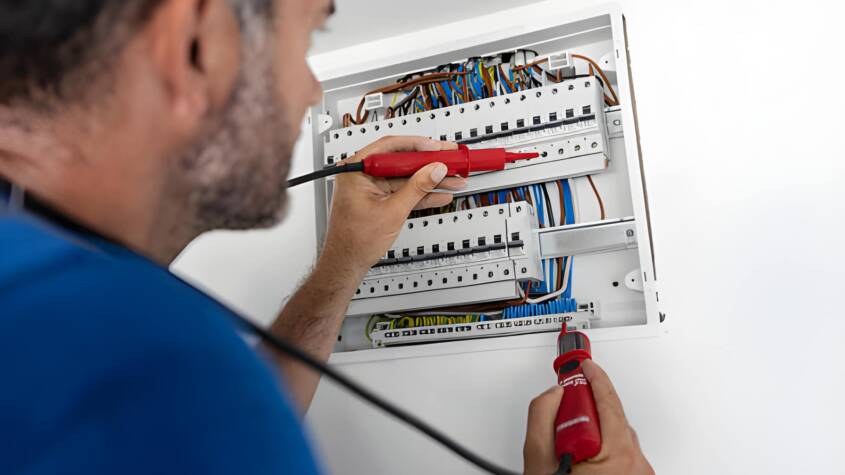
Electrical safety has become a defining factor in London’s rental and residential property market. In an area like Finsbury Park—where Victorian conversions sit alongside modern developments—the condition of electrical systems increasingly influences legal compliance, tenant confidence, and long-term asset value. EICR in Finsbury Park is no longer treated as a routine inspection; in 2026, it is viewed as a forward-looking risk assessment.
Drawing on real-world inspection trends observed by London Property Inspections, this guide explains how evolving electrical standards affect landlords, tenants, and property managers, and why a proactive approach now delivers measurable advantages later.
The 2026 Electrical Compliance Landscape in Finsbury Park
Finsbury Park presents a complex electrical environment. Many properties have undergone multiple refurbishments over decades, often with varying workmanship standards and incomplete certification trails. As regulatory scrutiny tightens, inspectors are expected to look deeper than surface-level faults.
Modern inspections focus on:
- System capacity versus actual usage
- Safety of legacy wiring integrated with newer circuits
- Adequacy of earthing and bonding
- Fire-risk exposure linked to overloaded installations
In this context, EICR in Finsbury Park functions as both a compliance document and a diagnostic tool—revealing not only what is unsafe today, but what may become unsafe under future demand.
What EICR Means for Landlords in 2026
For landlords, electrical compliance is now inseparable from lawful letting. Enforcement in London has become more consistent, with penalties extending beyond fines to include rent repayment orders and restrictions on re-letting.
Landlords are increasingly affected in three key areas:
Legal responsibility
Any C1 or C2 observation requires prompt remedial action. Failure to act can invalidate tenancy agreements and expose owners to prosecution.
Financial planning
Unexpected electrical upgrades are costly. Savvy landlords now integrate inspection outcomes into long-term maintenance budgets.
Market competitiveness
Tenants are actively comparing safety standards. A clean report tied to EICR in Finsbury Park reassures occupants and reduces turnover.
Rather than reacting to failed inspections, experienced owners treat EICRs as strategic planning tools that protect yield and reputation.
Tenant Awareness and Expectations Have Changed
Tenants in 2026 are more informed and less willing to tolerate unresolved safety risks. Electrical safety, once overlooked, is now a common topic during viewings and tenancy renewals.
From a tenant’s perspective, an up-to-date report:
- Confirms the property is safe to occupy
- Provides transparency around maintenance standards
- Empowers tenants to raise concerns constructively
In older Finsbury Park properties, tenants are particularly vigilant for warning signs, such as frequent circuit tripping or overheating sockets. EICR in Finsbury Park gives tenants confidence that these issues are formally assessed rather than ignored.
The Growing Responsibility of Property Managers
Property managers now act as compliance coordinators, not just intermediaries. Their role in electrical safety has expanded significantly.
Key responsibilities include:
- Monitoring inspection cycles across portfolios
- Scheduling remedial works efficiently
- Advising landlords on prioritisation and upgrades
- Maintaining clear documentation for audits
Professionals often collaborate with specialists like London Property Inspections to translate technical findings into practical action plans—minimising disruption while maintaining compliance. In densely populated areas such as Finsbury Park, this coordination is critical.
Common Electrical Issues Found in Finsbury Park Homes
Despite variations between properties, several issues appear consistently during inspections:
- Outdated consumer units without RCD protection
- Mixed wiring standards caused by phased renovations
- Insufficient bonding to gas and water services
- Circuits strained by modern appliance loads
These are rarely dramatic faults on their own, but collectively they increase fire and shock risk. EICR in Finsbury Park highlights these cumulative vulnerabilities, allowing owners to intervene before small defects escalate into serious hazards.
Future-Ready Electrical Planning for 2026 and Beyond
Electrical demand is rising rapidly. Electric vehicles, home working, heat pumps, and smart technology all place pressure on systems never designed for such loads.
Forward-thinking property owners are now:
- Upgrading consumer units pre-emptively
- Increasing circuit capacity during refurbishments
- Treating inspection outcomes as part of asset strategy
In competitive London neighbourhoods, properties supported by strong electrical infrastructure retain value more effectively. EICR in Finsbury Park has therefore become a marker of future readiness rather than a backward-looking obligation.
With guidance from London Property Inspections, many landlords now view compliance as an investment in resilience, not a recurring inconvenience.
Final Perspective: Electrical Safety as a Shared Interest
By 2026, electrical safety is a shared responsibility. Landlords must plan, property managers must coordinate, and tenants must engage responsibly.
A well-managed approach to EICR in Finsbury Park delivers:
- Safer living environments
- Stronger legal protection
- Reduced long-term costs
- Higher tenant trust
Those who approach electrical compliance strategically—rather than defensively—will be best positioned in London’s evolving property market.
Frequently Asked Questions (FAQs)
1. How often is an electrical inspection required for rental properties?
Typically, every five years, unless the previous report specifies a shorter interval.
2. Can a landlord rent out a property with an unsatisfactory report?
No. Any dangerous or potentially dangerous observations must be resolved first.
3. Do older properties have different safety standards?
No. All properties are assessed against current safety requirements, regardless of age.
4. Are communal areas included in inspections?
Yes. Electrical systems serving communal spaces must also meet safety standards.
5. What if tenants deny access for inspection?
Landlords must show reasonable attempts to gain access, documented in writing.
6. Can electrical non-compliance affect insurance claims?
Yes. Insurers may reject claims if known defects were not addressed.
What Makes a Good IVF Clinic in Bangalore? Key Factors to Know
Choosing the right IVF clinic is one of the most important decisions for couples strugglin…

Why ABQ Realtors Are Seeing High Demand in the Metro Area
The Albuquerque metro area has experienced a noticeable surge in housing activity over the …