
When an animal loses a limb, life changes fast. Movement becomes harder. Everyday actions take more effort. The cause can be anything: an accident, illness, or a birth defect. No matter the reason, the challenge is the same: learning how to move again.
Today, prosthetics give many animals that chance. With the right device and some time to adjust, pets can walk, run, and play again. Some move more slowly. Some move differently. But many return to a life that feels close to normal. Learn some main types of animal prosthetics like external-socket, full limb, partial limb, and other prosthetics, in this blog, and how each one works.
Understanding Common Types of Prostheses for Animals
There isn’t just one kind of prosthetic for animals. Each type is built for a specific level of limb loss and a specific need. The most common options are listed below.
External-Socket Prosthesis
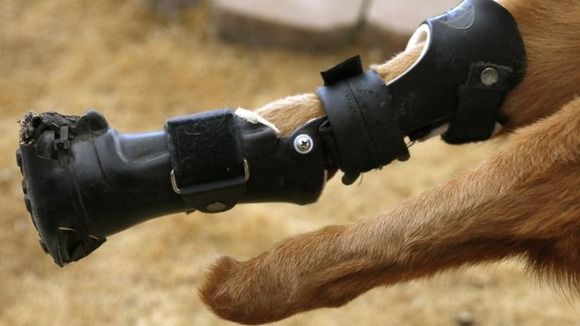
This is one of the most widely used designs. It fits over the remaining part of the limb using a custom-shaped socket. The socket grips the limb securely while padding prevents rubbing and pressure sores.
It works best when enough of the limb is still present to hold the device in place. Many dogs and cats use this type successfully. It allows steady walking, better balance, and safer movement.
Full-Limb Prosthesis
This option is for animals who have lost an entire limb or most of it. The prosthetic replaces the missing leg and takes on much of its function.
These devices are carefully shaped so weight can be spread evenly. The intention is clear-cut: to support the animal in standing, walking, and moving without overburdening the other limbs. The process of getting accustomed to full-limb prosthetics is generally longer, but many pets are able to adjust easily with time and training.
Partial-Limb Prosthesis
In case of the presence of only a part of the leg, a partial-limb prosthesis is used. This can be the case of loss of the lower leg or whole paw, along with some other parts.
These devices not only assist in the alignment of the posture but also in the reduction of the severity of limping. Eventually, the animal may begin to support its weight in a very awkward manner, which, in turn, may lead to joint pain later on. The benefit of a well-fitted partial prosthesis is that it helps make the movement more natural.
Prosthetic Paw
There are some cases where only the paw is amputated and not the entire leg. For such animals, the use of a prosthetic paw can provide the necessary grip and balance.
These prosthetic paws are designed to have the same flexibility and movement as a natural paw. They create a barrier between the ground and the leg, thus preventing direct impact and allowing the animal to walk confidently. This is especially true for cats, which can have a significant impact on their daily comfort.
Orthoses for Limbs
Orthoses are not replacements. They are supportive devices. They are used when a limb is still present but weak, injured, or unstable. The device may brace the leg, guide its movement, or prevent it from bending in a harmful way. Animals with joint problems, nerve damage, or arthritis often benefit from orthotic support. The goal isn’t speed. It’s safety. And comfort.
Hybrid Orthotic Prosthetic
Some situations are more complex. When an animal has both limb loss and weakness in the remaining structure, a hybrid device may be used.
This type blends support and replacement into one piece. It stabilizes what remains of the limb while also replacing what is missing. These devices are carefully built and adjusted over time as the animal’s movement improves.
3D-Printed Custom Prosthetics
3D printing has changed animal prosthetics in a big way. Instead of shaping everything by hand, specialists can now scan the limb and design a device that matches the animal’s body with high precision. Production is faster. Costs are often lower. Adjustments are easier to make.
Most importantly, the fit is often better. A better fit means less friction, fewer injuries, and smoother movement overall.
Endo-Exo Prosthesis
This is the most advanced and complex type. Part of the device is placed inside the body through surgery, anchoring it directly to the bone. The outer section then attaches to this internal support. The result is a very stable connection that allows more natural movement.
These prosthetics are usually reserved for severe limb loss and require careful surgical planning, healing time, and long-term monitoring.
Conclusion
Animal prosthetics have changed what recovery looks like after limb loss. What once meant permanent disability now often means adaptation and renewed movement. From simple paw replacements to full-limb devices and advanced hybrid systems, there are more options than ever.
Each case is different. The right prosthesis device depends on the injury, the animal’s size, and how they move. With proper fitting and patience, many pets learn quickly. They fall. They get up. Then they try again.
Click here and read more blogs

What Makes a Good IVF Clinic in Bangalore? Key Factors to Know
Choosing the right IVF clinic is one of the most important decisions for couples strugglin…

Why ABQ Realtors Are Seeing High Demand in the Metro Area
The Albuquerque metro area has experienced a noticeable surge in housing activity over the …