

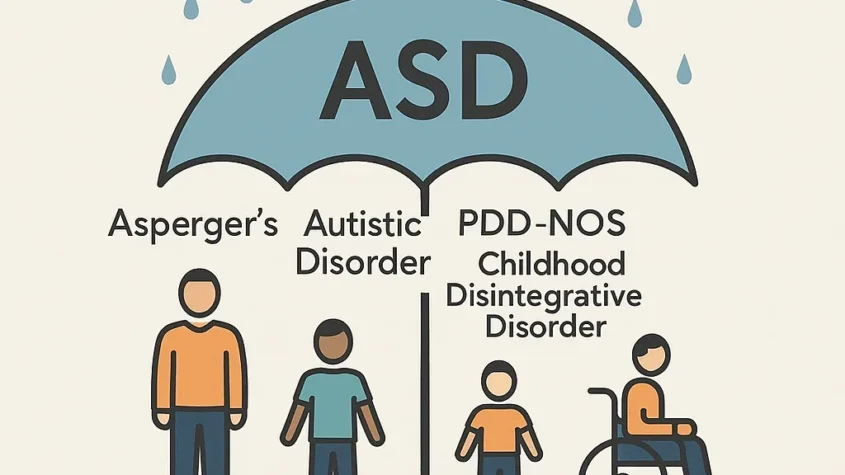
Autism Spectrum Disorder (ASD) affects how a child communicates, learns, and interacts with the world. While every child with autism is unique, early and structured intervention plays a crucial role in helping them reach their full potential. Today, families are actively searching for therapy solutions that go beyond basic treatment—programs that focus on emotional, social, behavioral, and cognitive growth together.
This is where Top Autism Therapy programs make a meaningful difference. These therapies are not just about managing challenges; they are about empowering children, supporting families, and building lifelong skills that help children thrive at home, school, and in the community.
In this article, we’ll explore what makes autism therapy effective, the most impactful therapy types, and how parents can choose the right approach for their child.
Understanding Autism Therapy and Why It Matters
Autism therapy refers to a range of evidence-based interventions designed to improve communication, social skills, behavior, sensory processing, and daily living abilities. Since autism presents differently in every child, there is no one-size-fits-all solution.
Effective autism therapy focuses on:
-
Strengthening communication skills
-
Encouraging positive behaviors
-
Enhancing social interaction
-
Improving emotional regulation
-
Building independence in daily routines
When therapy begins early and follows a structured, personalized plan, children often show significant improvements in confidence, learning ability, and overall quality of life.
What Defines a Top Autism Therapy Program?
Not all therapy programs deliver the same results. A truly effective autism therapy program shares several essential qualities:
1. Individualized Treatment Plans
Each child has unique strengths and challenges. Top programs assess developmental levels, sensory needs, and behavioral patterns to design personalized therapy goals.
2. Evidence-Based Practices
The most successful programs rely on proven methods such as Applied Behavior Analysis (ABA), speech therapy, and occupational therapy.
3. Family Involvement
Parents and caregivers play a vital role. Leading therapy providers educate families, involve them in goal-setting, and offer guidance for home support.
4. Multidisciplinary Approach
Combining therapies ensures holistic development rather than isolated skill improvement.
5. Progress Monitoring
Regular assessments help adjust therapy strategies to ensure consistent growth.
Key Types of Autism Therapy That Drive Results
Applied Behavior Analysis (ABA)
ABA therapy is widely recognized as one of the most effective interventions for children with autism. It focuses on understanding behavior and using positive reinforcement to encourage meaningful change.
ABA therapy helps children:
-
Improve communication and social skills
-
Reduce challenging behaviors
-
Develop academic readiness
-
Learn daily life skills
Through structured sessions and data-driven techniques, ABA provides measurable outcomes that support long-term development.
Speech and Language Therapy
Communication challenges are common among children with autism. Speech therapy supports both verbal and non-verbal communication, helping children express needs, thoughts, and emotions effectively.
Speech therapy focuses on:
-
Language development
-
Social communication
-
Articulation and clarity
-
Alternative communication methods (AAC)
As communication improves, children often experience reduced frustration and stronger social connections.
Occupational Therapy (OT)
Occupational therapy helps children develop essential life skills that promote independence. It addresses sensory challenges, motor coordination, and daily routines.
OT supports:
-
Fine and gross motor skills
-
Sensory processing
-
Self-care tasks like dressing and eating
-
Classroom readiness
This therapy plays a key role in improving confidence and participation in everyday activities.
Social Skills Therapy
Social interaction can be overwhelming for children with autism. Social skills therapy teaches them how to navigate friendships, understand emotions, and engage appropriately in group settings.
Children learn:
-
Turn-taking and sharing
-
Understanding social cues
-
Emotional regulation
-
Peer interaction strategies
Over time, these skills help children feel more comfortable and connected in social environments.
The Importance of Early Intervention
Research consistently shows that early intervention leads to better outcomes for children with autism. Therapy during early developmental stages helps shape brain pathways, making it easier for children to learn new skills.
Benefits of early autism therapy include:
-
Improved communication abilities
-
Better behavioral regulation
-
Enhanced learning readiness
-
Increased independence
Families who seek support early often see more meaningful progress over time.
How Autism Therapy Supports the Whole Family
Autism therapy doesn’t just benefit the child—it supports the entire family. Parents gain tools to manage behaviors, understand their child’s needs, and build stronger connections.
Family-centered therapy helps by:
-
Reducing caregiver stress
-
Improving parent-child relationships
-
Offering consistent strategies across environments
-
Providing emotional support and guidance
When families feel informed and supported, therapy outcomes improve significantly.
Choosing the Right Autism Therapy Provider
Selecting the right provider is a critical decision. Parents should look beyond location and cost to evaluate quality, experience, and philosophy.
Key factors to consider:
-
Qualified and experienced therapists
-
Individualized treatment plans
-
Transparent progress tracking
-
Strong parent communication
-
Positive reviews and testimonials
A trusted provider offering Top Autism Therapy ensures that children receive compassionate, structured, and effective care tailored to their needs.
Long-Term Benefits of Autism Therapy
With consistent and well-planned therapy, children with autism can achieve remarkable milestones. Therapy helps them build the foundation for lifelong learning, independence, and emotional well-being.
Long-term benefits include:
-
Improved academic performance
-
Stronger social relationships
-
Enhanced self-confidence
-
Greater independence in adulthood
Autism therapy is not about changing who a child is—it’s about helping them succeed as they are.
Conclusion
Autism therapy plays a transformative role in shaping a child’s development and future opportunities. By focusing on personalized care, evidence-based methods, and family involvement, the right therapy program can unlock a child’s true potential.
Choosing a trusted provider that offers Top Autism Therapy ensures children receive the support they need to grow, communicate, and thrive in every aspect of life. With the right guidance, patience, and commitment, families can look forward to meaningful progress and a brighter future for their child.
What Makes a Good IVF Clinic in Bangalore? Key Factors to Know
Choosing the right IVF clinic is one of the most important decisions for couples strugglin…

Why ABQ Realtors Are Seeing High Demand in the Metro Area
The Albuquerque metro area has experienced a noticeable surge in housing activity over the …