

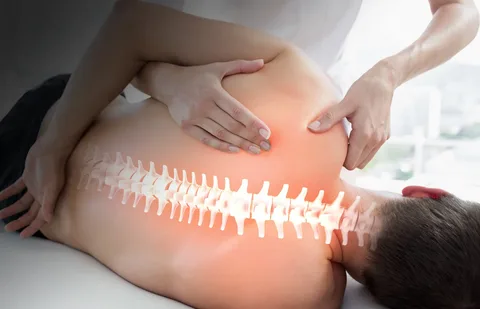
Muscle injuries can happen to anyone, whether you play sports, work long hours, or simply stay active in daily life. A sudden movement, lifting something heavy, or even poor posture can strain muscles and cause pain. While some injuries feel minor at first, they can become long-lasting if not treated properly. This is why early and targeted care is so important. With professional Physiotherapy in Edinburgh, muscle injuries can be treated safely, effectively, and with long-term recovery in mind.
Many people try to push through muscle pain, hoping it will settle on its own. However, untreated muscle injuries often lead to stiffness, weakness, or repeat injuries. Pain may start affecting sleep, work, or simple movements like walking or bending. Physiotherapy helps not only relieve pain but also rebuild strength and confidence in movement.
This blog explains how targeted physiotherapy supports muscle injury recovery. The sections below guide you through understanding muscle injuries, their causes, symptoms, assessment, and treatment options in a clear and supportive way.
1. Understanding Muscle Injuries
Muscle injuries occur when muscle fibres are overstretched, overloaded, or torn. This usually happens during sudden movements, awkward positions, or repetitive strain. Common examples include pulled hamstrings, calf strains, shoulder muscle injuries, and lower back strains.
Some muscle injuries feel like mild soreness, while others cause sharp pain and immediate weakness. Swelling, stiffness, or reduced movement often follow. Each injury is different, and recovery time depends on how severe the damage is.
Physiotherapists offering Physiotherapy in Edinburgh focus on understanding how the injury happened and how it affects your daily life. This helps ensure treatment is safe, gradual, and suited to your body’s needs.
2. Common Causes of Muscle Injuries
Muscle injuries often happen when the body is unprepared for physical demands. Poor warm-up before exercise is a common cause. Weak or tight muscles are more likely to strain under pressure. Sudden increases in activity, such as starting a new workout or returning after rest, also increase risk.
Daily habits play a role too. Long hours of sitting, poor posture, and repetitive work movements place ongoing stress on certain muscles. Over time, this leads to imbalance and injury.
A physiotherapist looks at all these factors during assessment. Treating the cause, not just the pain, is key to proper recovery and injury prevention.
3. Symptoms That Need Attention
Muscle injury symptoms vary, but common signs include pain, stiffness, swelling, and weakness. Some people notice reduced movement or discomfort during simple tasks like lifting, walking, or reaching. Bruising may appear in more serious strains.
Pain may worsen with activity or stretching. In some cases, people avoid movement due to fear of pain, which can slow recovery. Ignoring symptoms may lead to longer healing time or repeat injuries.
Early support through Physiotherapy in Edinburgh helps control pain, restore movement, and prevent long-term problems. Timely care often means faster and safer recovery.
4. Assessment and Diagnosis
Assessment begins with a detailed conversation about how the injury occurred, daily activities, and pain levels. The physiotherapist examines posture, movement patterns, flexibility, and strength.
Hands-on assessment helps identify tight muscles, weakness, or areas of strain. Functional tests may be used to see how the injury affects walking, lifting, or balance.
Accurate diagnosis allows the physiotherapist to design a treatment plan that matches your injury and lifestyle. This personalised approach improves recovery outcomes and confidence in movement.
5. Targeted Treatment and Recovery
Treatment is tailored to the stage of healing. Early treatment focuses on pain relief, gentle movement, and reducing muscle tension. Manual therapy improves circulation and supports healing.
As recovery progresses, exercise therapy becomes more important. Strengthening and stretching exercises rebuild muscle strength and flexibility. Movement retraining helps restore normal function and prevent re-injury.
With ongoing guidance from Physiotherapy in Edinburgh, patients learn how to move safely, manage loads, and return to activity with confidence. Education and home exercises support long-term recovery and muscle health.
Conclusion
Muscle injuries can disrupt daily life, but they do not have to become long-term problems. Early and targeted physiotherapy supports safe healing, reduces pain, and restores strength. With personalised care from Physiotherapy in Edinburgh, patients can recover fully and return to work, sport, and daily activities with confidence. Professional physiotherapy not only treats injury but also helps prevent future muscle problems, supporting long-term health and mobility.


What Makes a Good IVF Clinic in Bangalore? Key Factors to Know
Choosing the right IVF clinic is one of the most important decisions for couples strugglin…

Why ABQ Realtors Are Seeing High Demand in the Metro Area
The Albuquerque metro area has experienced a noticeable surge in housing activity over the …