

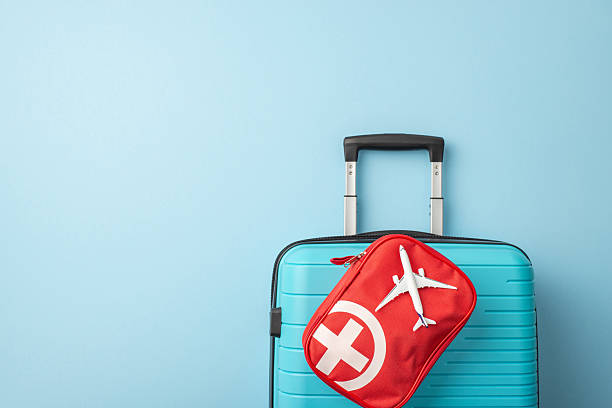
The allure of international travel is a powerful motivator for many people today. However, traveling with a chronic medical condition requires more than just a passport and a ticket. It demands a sophisticated level of planning that accounts for every possible scenario. The goal is not to dwell on the risks but to minimize them through careful preparation. When you are thousands of miles from home, the local healthcare system may feel completely alien. Language barriers and different medical standards can complicate even the most routine health issues. Therefore, staying prepared is the only way to ensure your journey remains a joyful experience. This guide provides a comprehensive framework for navigating the complexities of international travel with medical needs. By following these steps, you can explore the world with confidence and peace of mind.
Pre-Departure Medical Logistics
The foundation of a safe international trip is established weeks before you head to the airport. Your first step should always be a “Fit to Fly” consultation with your primary specialist. Discuss how travel stressors, such as long flights or high altitudes, might affect your specific condition. You also need to secure a formal physician’s letter on official clinic letterhead. This letter should list your diagnoses, current medications, and any required medical devices or supplies. Furthermore, it is wise to obtain translated copies of your prescriptions in the language of your destination. This prevents confusion at customs or if you need an emergency refill at a local pharmacy.
Medication laws vary significantly between countries, and some common drugs may be restricted abroad. For instance, certain stimulants or strong painkillers that are legal at home might be banned elsewhere. Always check the embassy website of your destination to ensure your medications are permitted for entry. Beyond the paperwork, you must consider how you will communicate your needs if you are incapacitated. While digital IDs are helpful, physical identifiers that remain attached to your clothing are highly effective. Utilizing an Emergency medical iron-on label on the inside of a jacket or travel vest provides a permanent record of your needs. These labels are particularly useful for solo travelers who may not always have their phone or wallet accessible. This simple addition ensures that responders can identify your condition even if you are unconscious or disoriented.
Navigating Local Healthcare Systems
Understanding how to access help in a foreign environment is crucial for your personal safety. Before you arrive, research and identify “Western-standard” hospitals or English-speaking clinics near your accommodation. In many countries, the local equivalent of 911 may be a different three-digit number. For example, you would dial 112 in the European Union or 999 in the United Kingdom. Knowing these numbers by heart can save critical minutes during a sudden health crisis. You should also save the address and contact information of the nearest embassy or consulate. They can often provide a list of local doctors who speak your native language.
Language barriers can be a significant hurdle during a medical emergency in a foreign country. To bridge this gap, keep “Emergency Phrase Cards” in the local language inside your wallet. These cards should state your condition clearly, such as “I have Type 1 Diabetes” or “I am allergic to penicillin.” There are several mobile apps available that can translate medical terms accurately for healthcare providers. However, do not rely solely on technology, as phone batteries can die at the worst times. Having a physical, translated document is a reliable backup that works in any situation. Being able to communicate your basic needs can drastically improve the quality of care you receive.
Insurance and Evacuation Coverage
Standard travel insurance policies often contain exclusions for pre-existing medical conditions. This is a critical detail that many travelers overlook until they try to file a claim. You must ensure that your policy includes a “Pre-Existing Condition Waiver” to guarantee full coverage. Read the fine print to see if your specific diagnosis is covered under all circumstances. Additionally, consider the high cost of medical repatriation or emergency evacuation from remote areas. Specialized memberships like Global Rescue provide services that standard insurance companies often do not offer. These services can arrange for a private medevac flight back to your home country if necessary.
When a medical event occurs abroad, meticulous record-keeping is essential for your insurance company. Keep digital copies of all receipts, medical reports, and discharge summaries on a secure cloud drive. This documentation is vital for the reimbursement process once you return to your home country. If possible, contact your insurance provider as soon as a medical issue arises. Many companies have 24-hour hotlines that can help coordinate care and manage billing directly with the hospital. This proactive approach prevents you from being stuck with a massive bill in a foreign currency. Being financially prepared is just as important as being medically prepared for international journeys.
On-the-Go Emergency Identification
Responders need to identify your medical needs even if you cannot speak for yourself during a crisis. Most modern smartphones have a “Medical ID” feature that is accessible even from a locked screen. Ensure this feature is fully updated with your current medications, blood type, and emergency contacts. In addition to digital IDs, many travelers prefer to wear traditional medical alert jewelry. Bracelets or necklaces made of stainless steel are durable and globally recognized by first responders. These items provide a consistent way to signal your health status across different cultures and languages.
Redundancy is the hallmark of a good emergency identification strategy for any traveler. You should carry a physical “Emergency Contact Sheet” inside your passport cover or wallet. This sheet should include the phone numbers of your doctors back home and your next of kin. It is also helpful to list the brand names and generic names of your medications. Since generic names are more likely to be recognized globally, this helps foreign doctors provide accurate treatment. If you use a wearable medical device, such as an insulin pump, carry a manual override guide. Providing as much information as possible helps local teams make the safest decisions for your health.
Transit and Environmental Management
The actual journey to your destination presents its own set of unique health challenges. You must follow the “Carry-On Rule” and never pack essential medications in checked luggage. Bags can be lost or delayed, leaving you without life-saving supplies in a foreign land. If your medications require refrigeration, invest in a high-quality, insulated travel case with gel packs. This is especially important for biologics or insulin during long-haul flights or layovers. You should also inform the airline in advance if you need to carry needles or large quantities of liquid. Most airlines are accommodating if you provide the proper medical documentation during the boarding process.
Time zone shifts can complicate medication schedules that are highly sensitive to timing. Talk to your doctor about how to adjust your doses as you cross different longitudes. This is particularly important for medications that maintain a specific blood-level concentration, such as anti-seizure drugs. Once you arrive, give your body time to acclimate to the local climate and diet. Changes in humidity or temperature can impact how your body processes certain medications. Stay hydrated and monitor your symptoms closely during the first forty-eight hours of your trip. By managing your environment, you reduce the likelihood of a flare-up or an emergency.
Conclusion
Traveling the world with a medical condition is a testament to human resilience and curiosity. While it requires extra effort, the rewards of experiencing new cultures are well worth the planning. Thorough preparation allows you to focus on the sights and sounds of your trip rather than the risks. You become an empowered traveler who is ready for both the planned and the unexpected. Every piece of documentation and every identifier serves as a safety net for your adventures. Remember that your health needs do not have to define your boundaries or limit your horizons.
As you plan your next international excursion, use these structures to build your personalized safety plan. Start your preparations early to avoid last-minute stress or forgotten essentials. Share your itinerary with trusted friends or family members so they know where you are. With the right tools and a proactive mindset, the world is yours to explore safely. True freedom comes from knowing you are prepared for whatever the journey may bring. Safe travels are not just a matter of luck; they are a result of careful and thoughtful design


What Makes a Good IVF Clinic in Bangalore? Key Factors to Know
Choosing the right IVF clinic is one of the most important decisions for couples strugglin…

Why ABQ Realtors Are Seeing High Demand in the Metro Area
The Albuquerque metro area has experienced a noticeable surge in housing activity over the …