

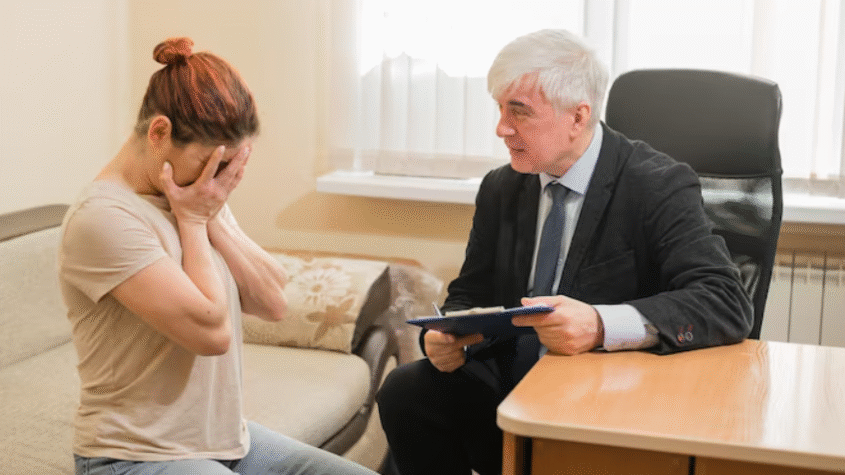
Depression is more than feeling sad. It can change how you think. It can change how you act. It can make daily life feel very hard.
Many people live with these feelings for a long time. They hope it will pass. Some do not know when to ask for help. Others feel scared to talk about it. That is why learning the signs matters.
Many people start their search for care by looking for trusted local options like depression treatment new jersey, because nearby help feels safer and easier to reach. Local support can make a big difference in recovery.
This guide will help you understand depression better. You will learn the signs. You will learn when to get help. You will also learn what professional support looks like.
What Depression Really Is
Depression is a mental health condition. It affects the brain and body. It is not a weakness. It is not laziness. It is real.
People with depression cannot just “snap out of it.” They need care, support, and time.
Depression Is Different for Everyone
Not everyone feels the same symptoms. Some feel sad. Others feel empty. Some feel tired all the time.
Depression can come and go. It can also stay for months. That is why knowing the signs is important.
Common Signs and Symptoms of Depression
Depression shows up in many ways. It can affect emotions, thoughts, and the body.
After learning about depression symptoms, some people also explore related care like eating disorder treatment new jersey, since mental health struggles often connect and affect one another.
Emotional Signs
These are feelings you may notice.
Feeling Sad or Low
You may feel sad most days. The feeling may not go away.
Feeling Hopeless
You may feel like nothing will get better.
Loss of Interest
Things you once enjoyed may not feel fun anymore.
Feeling Guilty
You may blame yourself often, even when it is not fair.
Mental and Thinking Signs
Depression affects how you think.
Trouble Focusing
It may be hard to read, work, or make choices.
Negative Thoughts
You may think badly about yourself often.
Slow Thinking
Your thoughts may feel heavy or slow.
Physical Signs
Depression also affects the body.
Low Energy
You may feel tired even after rest.
Sleep Problems
You may sleep too much or too little.
Appetite Changes
You may eat more or less than usual.
Body Pain
You may have aches with no clear cause.
How Depression Can Affect Daily Life
Depression touches every part of life. It can change routines and relationships.
At Home
Simple tasks may feel hard. Cleaning, cooking, or showering may feel like too much.
At Work or School
Focus can drop. Energy can fade. Performance may suffer.
In Relationships
People may pull away. They may stop answering calls. This can lead to more loneliness.
When Sadness Becomes Something More
Everyone feels sad at times. Sadness becomes a concern when it lasts too long.
Key Time Signs to Watch
You should consider help if:
- Feelings last more than two weeks
- Life feels harder each day
- You cannot enjoy anything
- You feel stuck
These are signs that support may help.
When to Seek Professional Help for Depression
Knowing when to ask for help is important. Early care leads to better results.
Seek Help If You Notice These Signs
You should reach out if you:
- Feel sad most days
- Feel empty or numb
- Feel tired all the time
- Feel hopeless
- Feel alone even with others
Professional care can help guide healing.
Urgent Warning Signs
Some signs need fast action.
Thoughts of Harm
If you think about harming yourself, get help right away.
Feeling Unsafe
If you feel you cannot stay safe, reach out now.
Loss of Daily Function
If you cannot care for yourself, seek urgent care.
Emergency services and crisis lines exist to help in these moments.
What Professional Help for Depression Looks Like
Professional support is safe and guided. It is based on science and care.
Therapy and Counseling
Therapists help you talk through feelings. They teach coping tools.
Talk Therapy
This helps you share thoughts and feelings.
Skill-Based Therapy
This helps you learn new ways to handle stress.
Therapy is private and respectful.
Medical Support
Doctors help check your health. They may suggest medicine if needed.
Medicine helps some people. It is not forced. It is discussed carefully.
Doctors monitor progress closely.
Ongoing Support Plans
Most care plans include:
- Regular visits
- Clear goals
- Ongoing support
Healing is a process. Professionals walk with you through it.
What to Expect at Your First Appointment
First visits can feel scary. Knowing what happens helps ease fear.
The First Talk
The provider may ask about:
- Mood
- Sleep
- Energy
- Daily life
You do not have to share everything at once.
Your Voice Matters
You can ask questions. You can set limits. Good providers listen.
Choosing the Right Professional
Not every provider fits every person. Comfort matters.
Signs of a Good Match
A good provider:
- Listens with care
- Explains clearly
- Respects your pace
- Makes you feel safe
Trust is key to healing.
It Is Okay to Change Providers
If something feels off, it is okay to try someone new. Your comfort matters.
Supporting Recovery Outside of Appointments
Care does not stop at sessions. Daily habits help too.
Simple Daily Supports
Small steps make a big difference:
- Sleep at regular times
- Eat simple meals
- Move your body
- Get fresh air
These steps support mental health.
Stay Connected
Connection helps healing.
- Talk to friends
- Spend time with family
- Join a support group
You do not have to do this alone.
Helping a Loved One With Depression
You may be reading this for someone else. Your support matters.
How You Can Help
You can:
- Listen without fixing
- Encourage help
- Offer company
Small acts mean a lot.
What to Avoid Saying
Avoid saying:
- “Just be strong”
- “Others have it worse”
Instead say:
- “I care”
- “I am here”
Kind words build trust.
Trust, Safety, and Professional Care
Professional care follows rules that protect you.
Training and Licensing
Providers are trained and licensed. This ensures quality care.
Privacy and Respect
Your story stays private. Respect is always part of care.
Final Thoughts: You Are Not Weak for Needing Help
Depression is real. It is not a flaw. It is a health condition.
Knowing the signs helps you act sooner. Seeking help shows strength. Professional support can guide healing and hope.
Help is available. Support is real. And you deserve care.


What Makes a Good IVF Clinic in Bangalore? Key Factors to Know
Choosing the right IVF clinic is one of the most important decisions for couples strugglin…

Why ABQ Realtors Are Seeing High Demand in the Metro Area
The Albuquerque metro area has experienced a noticeable surge in housing activity over the …