

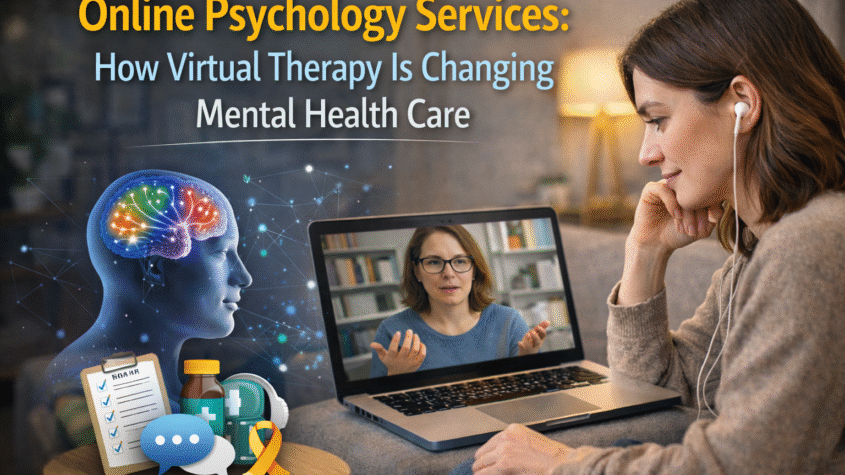
Mental health care is undergoing a significant transformation as technology reshapes how people access psychological support. Traditional face-to-face therapy is no longer the only option. Today, Online Psychology services are breaking down barriers, increasing accessibility, and redefining the therapeutic experience for millions worldwide.
From busy professionals and students to individuals in remote areas, virtual therapy offers a flexible, confidential, and effective alternative to in-person sessions. As mental health awareness continues to grow, online psychological care is emerging as a powerful solution for modern lifestyles.
This article explores how psychology services work, their benefits, challenges, and why they are becoming a cornerstone of contemporary mental health care.
What Are Online Psychology Services?
Online psychology services refer to professional mental health support delivered through digital platforms rather than in-person clinics. Licensed psychologists provide therapy using secure video calls, phone sessions, live chats, or messaging systems.
These services cover a wide range of mental health concerns, including anxiety, depression, stress, trauma, relationship issues, and personal development. The goal of psychology is the same as traditional therapy: to support emotional well-being, improve coping skills, and promote mental resilience.
With advancements in technology and secure communication tools, online therapy now offers a professional and structured approach comparable to face-to-face care.
The Rise of Online Psychology in Modern Mental Health Care
The growing demand for mental health services has outpaced the availability of traditional therapy options. Long wait times, geographical limitations, and social stigma have prevented many people from seeking help. Online Psychology services are addressing these challenges by making care more accessible and convenient.
Several factors have contributed to the rapid adoption of virtual therapy:
- Increased awareness of mental health issues
- Widespread internet and smartphone usage
- Changing work and lifestyle patterns
- Greater acceptance of digital healthcare solutions
As a result, online psychological support is no longer viewed as a secondary option but as a mainstream and effective form of care.
How Online Psychology Services Work
Understanding how online psychology services operate can help individuals feel more confident about starting virtual therapy.
Initial Assessment and Matching
Most platforms begin with an assessment to understand the client’s concerns, preferences, and therapy goals. Based on this information, users are matched with a qualified psychologist suited to their needs.
Virtual Therapy Sessions
Sessions are conducted through secure video conferencing, phone calls, or chat-based communication. These sessions follow the same structure as traditional therapy, including goal setting, progress tracking, and therapeutic interventions.
Ongoing Support and Flexibility
Many online psychology services allow flexible scheduling, easy rescheduling, and access to additional resources such as worksheets, exercises, or guided activities.
Benefits of Online Psychology Services
Improved Accessibility
One of the most significant advantages of psychology is accessibility. People living in rural or underserved areas can now connect with qualified psychologists without traveling long distances.
Convenience and Flexibility
Virtual therapy fits seamlessly into busy schedules. Sessions can be attended from home, during breaks, or while traveling, eliminating commute time and logistical challenges.
Reduced Stigma
For individuals hesitant to visit a physical clinic, online psychology offers a more private and discreet way to seek help. This increased anonymity can encourage more people to take the first step toward mental wellness.
Comfort and Familiar Environment
Being in a familiar setting can help clients feel more relaxed and open during sessions. This comfort often leads to more productive therapy outcomes.
Continuity of Care
Online therapy allows individuals to continue treatment even when relocating, traveling, or facing unexpected disruptions, ensuring consistent mental health support.
Effectiveness of Online Psychology Services
Research and clinical experience increasingly show that psychology can be just as effective as in-person therapy for many mental health conditions. Evidence-based approaches such as cognitive behavioral therapy (CBT), mindfulness-based therapy, and solution-focused therapy translate well to virtual formats.
Effectiveness depends on factors such as:
- The quality of the therapist-client relationship
- Consistency of sessions
- Client engagement and commitment
When these elements are present, online therapy can produce meaningful and lasting improvements in mental health.
Who Can Benefit from Online Psychology?
Online psychology services are suitable for a wide range of individuals, including:
- Adults managing stress, anxiety, or depression
- Students coping with academic pressure
- Professionals facing burnout or work-related stress
- Parents balancing family responsibilities
- Individuals seeking personal growth and self-awareness
However, online therapy may not be suitable for individuals experiencing severe psychiatric emergencies, who may require immediate in-person intervention.
Common Misconceptions About Online Psychology
“Online therapy isn’t personal”
Many assume virtual sessions lack emotional connection. In reality, strong therapeutic relationships can develop online, supported by consistent communication and professional care.
“It’s not secure”
Reputable online psychology platforms use encrypted systems and comply with privacy regulations to protect client confidentiality.
“It’s only for minor issues”
Psychology addresses a wide range of concerns, from everyday stress to complex emotional challenges, depending on individual needs.
Challenges and Limitations of Online Psychology
While online psychology offers numerous benefits, it also has limitations that should be considered.
Technology Barriers
Reliable internet access and basic digital literacy are essential. Technical issues can occasionally disrupt sessions.
Limited Non-Verbal Cues
Therapists may miss subtle body language cues in virtual sessions, although experienced psychologists adapt their techniques accordingly.
Crisis Situations
Online therapy is not always ideal for crisis intervention. In such cases, immediate local support or emergency services are necessary.
Despite these challenges, ongoing advancements in digital health continue to improve the quality and reliability of online psychology services.
The Role of Online Psychology in Reducing Mental Health Gaps
Mental health disparities remain a global concern. Psychology plays a crucial role in closing these gaps by reaching populations previously excluded from care.
By lowering costs, expanding provider options, and removing geographical barriers, virtual therapy supports more equitable access to mental health services. This shift has the potential to improve overall public mental well-being and reduce the long-term burden of untreated mental health conditions.
Choosing the Right Online Psychology Service
Selecting the right platform or provider is essential for a positive therapy experience. Consider the following factors:
- Qualifications and licensing of psychologists
- Range of therapy options offered
- Privacy and data security measures
- Flexibility in scheduling
- Transparent pricing and policies
Platforms like ExpertMinds emphasize professional standards and user-centered care, making it easier for individuals to find trusted psychological support online.
The Future of Online Psychology Services
The future of mental health care is increasingly digital. As technology evolves, online psychology services are expected to integrate innovations such as artificial intelligence tools, personalized therapy programs, and enhanced virtual environments.
Hybrid care models combining online and in-person therapy may become more common, offering clients greater choice and flexibility. With continued research and investment, psychology will remain a vital component of mental health systems worldwide.
Conclusion
Online psychology services are transforming how people access and experience mental health care. By offering convenience, accessibility, and effective support, virtual therapy is meeting the needs of a fast-paced, digitally connected world.
As awareness grows and stigma decreases, more individuals are turning to psychology as a practical and empowering way to prioritize their mental well-being. Whether seeking support for specific challenges or personal growth, virtual therapy is shaping a more inclusive and flexible future for mental health care.


What Makes a Good IVF Clinic in Bangalore? Key Factors to Know
Choosing the right IVF clinic is one of the most important decisions for couples strugglin…

Why ABQ Realtors Are Seeing High Demand in the Metro Area
The Albuquerque metro area has experienced a noticeable surge in housing activity over the …