

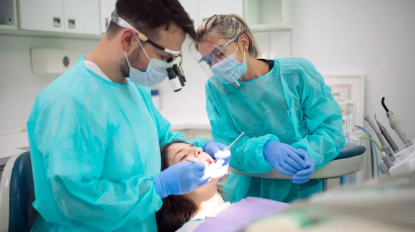
Maintaining a healthy and functional smile is essential for overall oral health. When teeth are damaged, worn, or weakened, chewing and speaking can become difficult, and the aesthetic appeal of your smile may be compromised. In the middle of this discussion, dental crowns in Dallas play a critical role in restoring both function and appearance. These custom-made caps are designed to fit over damaged teeth, providing strength, stability, and a natural look that blends seamlessly with your existing dentition.
What Are Dental Crowns?
Dental crowns are restorative dental treatments used to cover and protect teeth that are damaged or compromised. They can be made from various materials, including porcelain, ceramic, and metal alloys. Modern dental crowns, particularly all-ceramic crowns, are designed to mimic the natural translucency and color of teeth. This ensures that the restoration not only restores functionality but also maintains the aesthetic integrity of the smile.
Crowns are typically used for teeth that have undergone root canals, have large fillings, or are fractured. By fully encapsulating the affected tooth, a dental crown provides protection against further damage while restoring its shape, size, and alignment.
Improving Bite and Chewing Function
One of the most significant benefits of dental crowns in Dallas is their ability to improve bite alignment and chewing efficiency. Damaged or weakened teeth can alter the way your upper and lower teeth meet, leading to bite issues, jaw discomfort, and uneven wear on other teeth. Dental crowns help distribute bite forces evenly, protecting remaining natural teeth and reducing stress on the jaw.
Patients often notice an immediate improvement in their ability to chew food comfortably. By restoring the proper height and structure of the tooth, crowns ensure that the bite is balanced and functional, minimizing the risk of future dental problems related to uneven pressure or misalignment.
Protecting and Strengthening Teeth
Dental crowns serve as a protective barrier for teeth that are structurally compromised. Teeth with large cavities, cracks, or previous dental work are vulnerable to further damage. Crowns reinforce these teeth, preventing fractures, chipping, or deterioration.
All-ceramic crowns are particularly beneficial because they provide strength without compromising aesthetics. Unlike metal-based crowns, ceramic crowns can be color-matched to surrounding teeth and offer a natural light-transmitting quality. This allows patients to enjoy both functional and cosmetic benefits in one treatment.
Enhancing Comfort and Oral Health
Another advantage of dental crowns is the improvement in overall oral comfort. Misaligned or broken teeth can lead to irritation, sensitivity, or discomfort while eating. By restoring the tooth’s original shape and smoothness, crowns eliminate these issues. They also help maintain the spacing and alignment of adjacent teeth, preventing shifting that could create gaps or crowding.
Additionally, crowns protect the exposed tooth structure from bacteria and decay, contributing to long-term oral health. Properly fitted crowns reduce the risk of gum irritation and support healthy tissue around the restoration, ensuring that the surrounding teeth remain stable and functional.
Cosmetic Benefits of Dental Crowns
While the primary goal of dental crowns is functional restoration, they also offer significant cosmetic advantages. Damaged teeth can affect a person’s confidence and willingness to smile. By covering imperfections such as cracks, chips, or discoloration, crowns enhance the overall appearance of the teeth. Patients experience an immediate boost in self-esteem and satisfaction with their smile.
Choosing a skilled dental professional ensures that the crowns blend naturally with surrounding teeth, maintaining both bite integrity and aesthetic appeal. A well-designed crown will not only feel natural but also look indistinguishable from your own teeth.
Longevity and Maintenance
Dental crowns are designed to last for many years with proper care. Maintaining good oral hygiene practices, such as brushing, flossing, and regular dental check-ups, can extend the life of your crown. Avoiding excessive force on the crowned tooth, like chewing hard foods or using teeth as tools, will also help preserve the restoration.
By combining durability, protection, and aesthetic appeal, dental crowns in Dallas offer an effective solution for restoring function and appearance simultaneously.
Conclusion
Dental crowns are an essential tool in modern restorative dentistry, helping patients regain proper bite, chew comfortably, and maintain a healthy smile. From protecting weakened teeth to enhancing aesthetic appeal, they offer a comprehensive solution for dental concerns. For individuals seeking additional cosmetic and functional improvements, exploring cosmetic dentistry in Arlington can provide advanced options for a radiant, healthy smile.
What Makes a Good IVF Clinic in Bangalore? Key Factors to Know
Choosing the right IVF clinic is one of the most important decisions for couples strugglin…

Why ABQ Realtors Are Seeing High Demand in the Metro Area
The Albuquerque metro area has experienced a noticeable surge in housing activity over the …