

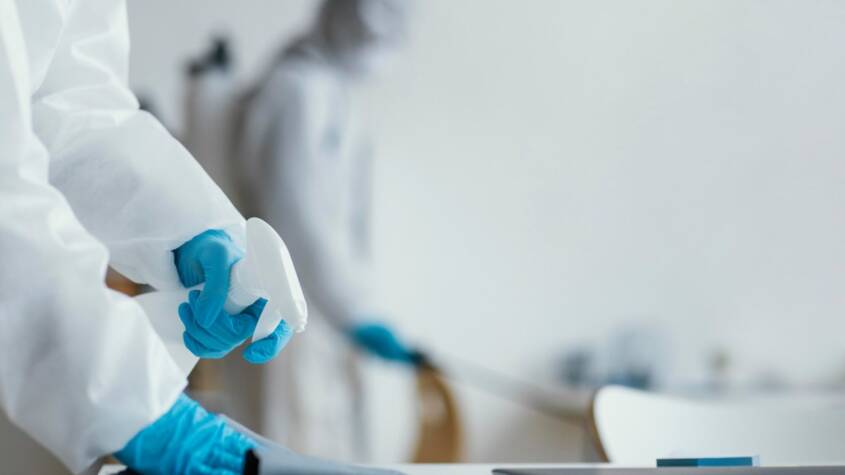
Cleanliness in healthcare facilities is not optional. Hospitals, clinics, and medical centers require the highest level of sanitation to protect patients, staff, and visitors from infections and harmful pathogens. This is where professional Hospital Cleaning Services play a critical role.
Unlike regular cleaning, hospital cleaning follows strict protocols, industry standards, and infection-control practices. In this guide, you will learn what hospital cleaning services include, why they are essential, the methods used, and how to choose a reliable medical cleaning provider.
What Are Hospital Cleaning Services?
Hospital Cleaning Services are specialized cleaning solutions designed specifically for healthcare environments. These services focus on preventing the spread of infections, maintaining sterile conditions, and ensuring compliance with healthcare hygiene standards.
Professional hospital cleaners are trained to handle:
- Medical-grade disinfectants
- Biohazard waste
- High-touch surfaces
- Sensitive medical equipment areas
- Infection control procedures
These services are essential for hospitals, clinics, diagnostic centers, nursing homes, and other healthcare facilities.
Why Hospital Cleaning Is Critically Important
Healthcare facilities serve vulnerable individuals, including patients with weakened immune systems. Even minor lapses in cleanliness can lead to serious health risks.
1. Infection Prevention
Hospital cleaning helps reduce the spread of bacteria, viruses, and infections such as:
- MRSA
- C. difficile
- Influenza
- COVID-19
- Other healthcare-associated infections
2. Patient Safety
Clean hospital rooms promote faster recovery and reduce complications caused by secondary infections.
3. Staff Protection
Doctors, nurses, and healthcare workers face daily exposure to pathogens. A clean environment protects them and reduces sick days.
4. Regulatory Compliance
Hospitals must comply with health authority regulations and sanitation standards. Professional cleaning ensures compliance with these requirements.
5. Public Trust
A visibly clean hospital builds trust and confidence among patients and visitors.
Areas Covered Under Hospital Cleaning Services
Hospital cleaning services cover every part of a medical facility, including high-risk and sensitive areas.
1. Patient Rooms and Wards
These areas require daily and detailed cleaning, including:
- Bed rails
- Mattresses
- Bedside tables
- Medical equipment surfaces
- Floors and bathrooms
Special attention is given to disinfecting high-touch points.
2. Operating Rooms and Surgical Areas
Operating rooms require strict sanitation protocols:
- Sterilization of surfaces
- Use of hospital-grade disinfectants
- Cleaning between procedures
- Removal of biohazard waste
Only trained professionals are allowed to clean these areas.
3. Intensive Care Units (ICUs)
ICUs require constant cleaning to protect critical patients. Services include:
- Frequent disinfection
- Airborne contaminant control
- Equipment-safe cleaning techniques
4. Emergency Rooms
Emergency departments experience heavy foot traffic and must be cleaned frequently to prevent contamination.
5. Waiting Areas and Reception
These spaces require:
- Regular surface disinfection
- Floor cleaning
- Seating sanitization
- Restroom cleaning
6. Laboratories and Diagnostic Areas
Labs require precise cleaning methods to avoid cross-contamination and maintain testing accuracy.
7. Hospital Restrooms
Restrooms are high-risk zones and need:
- Deep sanitization
- Odor control
- Continuous cleaning schedules
Types of Hospital Cleaning Services
Professional hospital cleaning providers offer a range of specialized services.
1. Daily Routine Cleaning
Includes regular cleaning of:
- Floors
- Surfaces
- Patient rooms
- Waiting areas
This ensures consistent hygiene throughout the facility.
2. Deep Cleaning Services
Deep cleaning focuses on areas not covered in daily cleaning, such as:
- Behind equipment
- High surfaces
- Air vents
- Storage areas
3. Disinfection and Sanitization
Medical-grade disinfectants are used to eliminate bacteria and viruses from high-touch surfaces.
4. Terminal Cleaning
Terminal cleaning is performed after:
- Patient discharge
- Infectious disease cases
- Isolation room usage
It involves thorough disinfection of the entire room.
5. Biohazard Cleaning
Includes safe handling and disposal of:
- Blood spills
- Bodily fluids
- Medical waste
This service follows strict safety and disposal regulations.
6. Emergency Cleaning Services
Immediate cleaning support during:
- Disease outbreaks
- Accidental contamination
- Emergency situations
Cleaning Methods and Equipment Used in Hospitals
Hospital cleaning requires specialized tools and techniques.
1. Hospital-Grade Disinfectants
These products are approved for medical use and are effective against a wide range of pathogens.
2. Color-Coded Cleaning Systems
Different colors are used for different areas to prevent cross-contamination.
3. HEPA-Filtered Equipment
Used to trap airborne particles and improve indoor air quality.
4. Microfiber Cleaning Tools
Microfiber cloths and mops capture more dirt and bacteria compared to traditional tools.
5. Proper Waste Disposal Systems
Medical waste is separated, sealed, and disposed of according to safety guidelines.
Benefits of Hiring Professional Hospital Cleaning Services
Choosing professional hospital cleaning services offers many advantages.
1. Expertise and Training
Professional cleaners are trained in infection control and healthcare cleaning protocols.
2. Consistent Hygiene Standards
Daily, weekly, and monthly cleaning schedules ensure consistent cleanliness.
3. Reduced Infection Rates
Proper cleaning reduces the risk of healthcare-associated infections.
4. Compliance With Health Regulations
Professional services help hospitals meet required safety and sanitation standards.
5. Cost Efficiency
Outsourcing cleaning reduces the cost of training, equipment, and staffing.
How to Choose the Right Hospital Cleaning Service Provider
Selecting the right provider is essential for maintaining healthcare safety.
1. Experience in Healthcare Cleaning
Choose a company with proven experience in hospital and medical facility cleaning.
2. Staff Training and Certification
Ensure the cleaning team is trained in:
- Infection control
- Biohazard handling
- Medical cleaning protocols
3. Use of Approved Products
The company should use hospital-grade, approved disinfectants.
4. Customized Cleaning Plans
Each hospital has different needs. A good provider offers tailored cleaning schedules.
5. Quality Control and Audits
Regular inspections and performance audits ensure cleaning standards are met.
Hospital Cleaning vs. Regular Commercial Cleaning
| Feature | Hospital Cleaning | Regular Cleaning |
| Standards | Medical-grade | General |
| Products | Hospital-approved disinfectants | Standard cleaners |
| Training | Specialized healthcare training | Basic cleaning |
| Risk Level | High-risk environments | Low to moderate |
| Compliance | Strict health regulations | Minimal regulations |
Who Needs Hospital Cleaning Services?
Hospital cleaning services are essential for:
- Hospitals
- Clinics
- Diagnostic centers
- Nursing homes
- Rehabilitation centers
- Medical laboratories
- Outpatient facilities
Any healthcare environment that prioritizes patient safety benefits from professional cleaning.
Future Trends in Hospital Cleaning
Healthcare cleaning continues to evolve with new technologies and practices, including:
- Automated disinfection systems
- Eco-friendly medical disinfectants
- Advanced air purification
- Data-driven cleaning schedules
These innovations improve safety and efficiency.
Conclusion
Hospital Cleaning Services are a vital part of healthcare operations. They help protect patients, staff, and visitors by maintaining clean, sanitized, and infection-free environments. With strict protocols, trained professionals, and medical-grade products, professional hospital cleaning ensures compliance, safety, and peace of mind.
Whether you manage a hospital, clinic, or healthcare facility, investing in professional hospital cleaning services is not just a requirement—it is a responsibility. A clean healthcare environment saves lives, builds trust, and supports better health outcomes.
What Makes a Good IVF Clinic in Bangalore? Key Factors to Know
Choosing the right IVF clinic is one of the most important decisions for couples strugglin…

Why ABQ Realtors Are Seeing High Demand in the Metro Area
The Albuquerque metro area has experienced a noticeable surge in housing activity over the …