

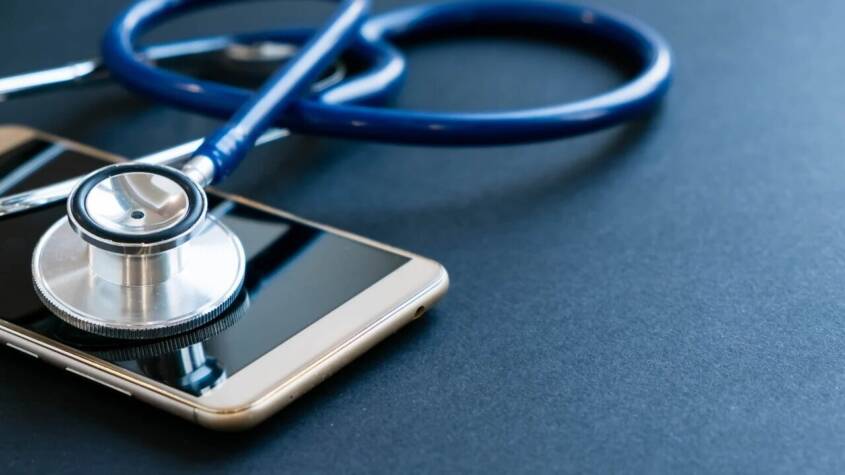
Mobile phones have evolved from simple communication tools into powerful, multi-functional devices that manage our work, finances, health, and social lives. As smartphones become more complex, diagnosing issues accurately and efficiently has become increasingly important. Traditional trial-and-error repair methods are no longer sufficient for modern devices packed with advanced processors, sensors, and software layers. This is where phone diagnostic software is transforming the industry. In the coming years, mobile diagnostics will be faster, smarter, and more predictive, reshaping how consumers, technicians, and businesses maintain and repair devices. Platforms like Phone Clinix are already setting the foundation for this future by offering intelligent, automated, and user-friendly diagnostic solutions.
The Evolution of Mobile Phone Diagnostics
In the early days of mobile phones, diagnostics were limited to basic checks such as battery health, signal strength, and keypad functionality. Technicians relied heavily on physical inspection and manual testing. As smartphones emerged, diagnostics expanded to include touchscreen calibration, camera testing, speaker checks, and operating system analysis. However, even these methods struggled to keep up with rapid hardware innovation and frequent software updates.
Modern phone diagnostic software now integrates deep system access, real-time monitoring, and automated testing. This evolution has reduced repair times, minimized human error, and improved customer trust. Looking ahead, diagnostics will move beyond problem identification and into prediction and prevention.
Artificial Intelligence and Machine Learning Integration
One of the most significant future trends in mobile phone diagnostics is the integration of artificial intelligence (AI) and machine learning (ML). AI-powered diagnostic systems will analyze vast amounts of device data to identify patterns that indicate potential failures before they occur.
For example, by monitoring battery charging cycles, temperature fluctuations, and app usage behavior, AI-driven phone diagnostic software can predict battery degradation weeks or months in advance. Similarly, machine learning models can detect early signs of motherboard or sensor issues based on subtle performance anomalies that humans might overlook.
Platforms like Phone Clinix are expected to leverage AI to deliver smarter diagnostics, enabling technicians to move from reactive repairs to proactive device care.
Predictive Maintenance and Preventive Diagnostics
Future mobile diagnostics will focus heavily on predictive maintenance. Instead of waiting for a device to malfunction, diagnostic tools will continuously monitor performance and alert users to potential problems.
Predictive diagnostics will benefit both consumers and businesses. Users will receive timely notifications to replace aging components or update software before issues escalate. Businesses managing fleets of mobile devices will reduce downtime, lower repair costs, and extend device lifespans.
Advanced phone diagnostic software will combine hardware metrics, software logs, and usage data to create comprehensive health reports. Phone Clinix is likely to play a key role in making predictive diagnostics accessible to repair centers and end users alike.
Cloud-Based Diagnostics and Remote Access
Cloud technology is set to redefine how mobile diagnostics are performed. Instead of relying solely on local tools, future diagnostics will utilize cloud-based platforms that store test results, device histories, and repair data securely online.
Remote diagnostics will allow technicians to analyze devices without physical access. This is particularly valuable for customer support, enterprise device management, and warranty services. Users will be able to run diagnostic tests at home and share results instantly with service providers.
Cloud-enabled phone diagnostic software will also ensure continuous updates, compatibility with new device models, and centralized data analysis. Phone Clinix can benefit from this trend by offering scalable, cloud-powered diagnostic solutions for global users.
Enhanced Hardware-Level Diagnostics
As smartphone hardware becomes more sophisticated, diagnostics will go deeper into component-level analysis. Future tools will test not only whether a component works, but how efficiently it performs under different conditions.
For instance, diagnostic systems will evaluate processor performance under thermal stress, analyze camera sensors at various light levels, and test touchscreen responsiveness across different pressure points. These advanced tests will provide precise insights into component health.
Next-generation phone diagnostic software will integrate seamlessly with device firmware to deliver accurate hardware diagnostics. Solutions like Phone Clinix are expected to support a wider range of chipsets, sensors, and emerging hardware technologies.
Automation and One-Click Diagnostics
Automation will be a defining feature of future mobile diagnostics. Instead of running individual tests manually, users and technicians will rely on one-click diagnostic processes that evaluate the entire device in minutes.
Automated diagnostics will follow predefined workflows, ensuring consistency and accuracy across tests. This will be particularly useful for resale markets, refurbishment centers, and trade-in programs where large volumes of devices need quick evaluation.
By streamlining workflows, phone diagnostic software will reduce labor costs and improve efficiency. Phone Clinix can leverage automation to deliver fast, reliable diagnostics without requiring extensive technical expertise.
Integration with Repair and Inventory Systems
Future diagnostic platforms will not operate in isolation. They will integrate with repair management, inventory, and customer relationship systems to create a complete ecosystem.
When a diagnostic test identifies a faulty component, the system can automatically check inventory availability, estimate repair costs, and generate service reports. This seamless integration will enhance transparency and improve customer satisfaction.
Advanced phone diagnostic software integrated with platforms like Phone Clinix will enable repair businesses to manage diagnostics, repairs, and customer communication from a single interface.
Security, Privacy, and Data Protection
As diagnostics access deeper system data, security and privacy will become critical concerns. Future diagnostic solutions will implement advanced encryption, secure authentication, and strict data access controls.
Users will demand transparency regarding what data is collected and how it is used. Diagnostic platforms must comply with global data protection regulations while maintaining diagnostic accuracy.
Trusted phone diagnostic software providers like Phone Clinix will differentiate themselves by prioritizing secure data handling and privacy-focused diagnostic processes.
Cross-Platform and Universal Compatibility
The future of mobile diagnostics lies in universal compatibility. Diagnostic tools will support multiple operating systems, manufacturers, and device categories, including smartphones, tablets, and wearable devices.
Cross-platform diagnostics will simplify training for technicians and reduce the need for multiple tools. Users will benefit from consistent diagnostic experiences regardless of device brand.
Universal phone diagnostic software solutions, such as Phone Clinix, will play a crucial role in bridging compatibility gaps and standardizing diagnostic procedures.
User-Centric Diagnostic Experiences
Future diagnostics will focus on improving user experience. Diagnostic reports will be easier to understand, featuring visual indicators, clear explanations, and actionable recommendations.
Instead of technical jargon, users will receive simple insights into device health and suggested next steps. This approach will empower users to make informed decisions about repairs, upgrades, or replacements.
User-friendly phone diagnostic software combined with platforms like Phone Clinix will make diagnostics accessible not only to technicians but also to everyday smartphone users.
The Role of Diagnostics in Sustainability
Sustainability is becoming a major concern in the tech industry. Mobile diagnostics will contribute to sustainability by extending device lifespans and reducing electronic waste.
Accurate diagnostics help determine whether a device can be repaired instead of replaced. Predictive maintenance reduces premature disposal, and refurbishment programs rely heavily on reliable diagnostic data.
By enabling smarter repair and reuse strategies, phone diagnostic software and solutions like Phone Clinix will support environmentally responsible practices in the mobile industry.
Conclusion
The future of mobile phone diagnostics is intelligent, predictive, and user-centric. As smartphones continue to evolve, diagnostic technologies must adapt to meet growing complexity and user expectations. Trends such as AI-driven analysis, predictive maintenance, cloud-based diagnostics, and enhanced security will redefine how devices are tested and maintained.
Advanced phone diagnostic software will become an essential tool for consumers, technicians, and businesses alike. Platforms like Phone Clinix are well-positioned to lead this transformation by offering innovative, reliable, and scalable diagnostic solutions. In the years ahead, mobile diagnostics will not only fix problems but prevent them, ensuring longer-lasting, more reliable devices for everyone.






What Makes a Good IVF Clinic in Bangalore? Key Factors to Know
Choosing the right IVF clinic is one of the most important decisions for couples strugglin…

Why ABQ Realtors Are Seeing High Demand in the Metro Area
The Albuquerque metro area has experienced a noticeable surge in housing activity over the …