

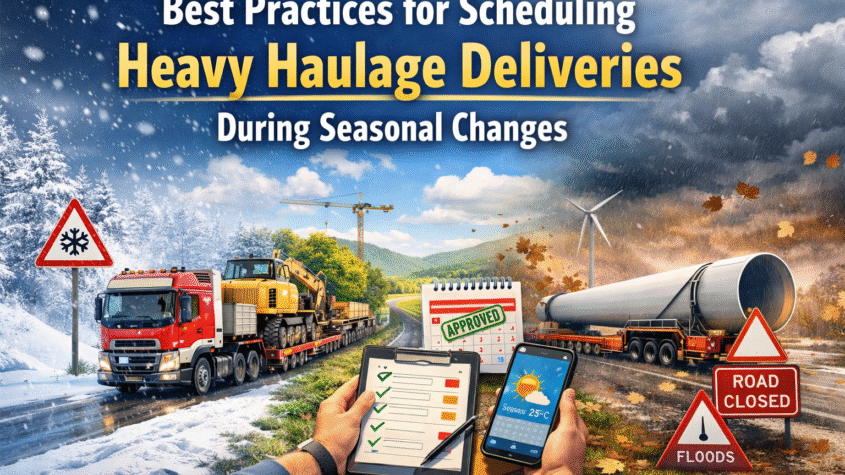
In the world of heavy haulage, timing is rarely just about convenience—it’s about compliance, safety, cost control, and reputation. After working in logistics and transport content for over two decades, one truth has remained constant: seasonal changes in the UK can make or break a heavy haulage schedule.
Unlike standard freight, heavy and abnormal loads are deeply affected by weather conditions, daylight hours, road restrictions, and local authority coordination. Add Britain’s famously unpredictable climate into the mix, and planning becomes a strategic exercise rather than a routine task.
This article explores best practices for scheduling heavy haulage deliveries across different UK seasons, helping operators, planners, and logistics managers minimise risk while maintaining efficiency year-round.
Understanding Why Seasonality Matters in Heavy Haulage
The UK experiences noticeable seasonal shifts—wet winters, variable springs, congested summers, and storm-prone autumns. Each season introduces challenges that directly impact:
-
Load stability and traction
-
Escort vehicle availability
-
Route approvals and restrictions
-
Driver hours and welfare
-
Public safety and traffic congestion
Ignoring seasonal factors often leads to last-minute delays, permit complications, or costly reroutes. Smart operators plan with the season, not against it.
Winter Scheduling: Prioritising Safety Over Speed
Winter is arguably the most demanding season for heavy haulage in the UK. Ice, snow, fog, and reduced daylight all increase operational risk.
Best Practices for Winter Deliveries
Build generous time buffers
Winter scheduling should never be tight. Allow extra days—not hours—for unexpected weather disruptions or road closures.
Schedule daylight movements where possible
Shorter days reduce visibility. Whenever regulations allow, plan moves during peak daylight to improve safety for drivers, escorts, and other road users.
Review traction and braking requirements
Heavier loads combined with wet or icy roads demand enhanced braking calculations and vehicle checks. Scheduling should factor in slower average speeds.
Coordinate closely with local authorities
Winter maintenance schedules, gritting routes, and temporary closures vary by council. Early coordination reduces the risk of permit conflicts.
Prepare contingency routes
Always have an approved alternative route in case primary roads become impassable due to snow or flooding.
Spring Scheduling: Managing Transition Risks
Spring can be deceptive. While conditions appear to improve, sudden rain, fog, and residual winter damage to roads can complicate heavy haulage planning.
Best Practices for Spring Deliveries
Inspect routes for winter wear and tear
Potholes, weakened bridges, and roadworks are common after winter. Route surveys in spring are essential.
Monitor rainfall and flood-prone areas
Melting snow and seasonal rain increase flood risk, especially in low-lying regions of England and Wales.
Plan flexibly around agricultural traffic
Spring sees increased agricultural vehicle movement in rural areas, which can affect timing and safety for wide or slow-moving loads.
Use spring for complex moves
With improving daylight and moderate temperatures, spring is often ideal for technically complex heavy haulage—provided weather is monitored closely.
Summer Scheduling: Balancing Demand and Congestion
Summer is peak season for construction, infrastructure projects, and industrial relocations—making it one of the busiest times for heavy haulage in the UK.
Best Practices for Summer Deliveries
Avoid peak traffic windows
Tourism, roadworks, and school holidays significantly increase congestion. Night-time or early-morning movements are often more efficient.
Account for heat-related risks
High temperatures can affect tyres, braking systems, and load restraints. Schedule regular inspection stops on longer routes.
Secure permits and escorts early
Demand for escort vehicles and police support rises sharply in summer. Early booking avoids last-minute rescheduling.
Communicate clearly with clients
Summer delays are often traffic-related rather than weather-related. Transparent communication helps manage expectations and protects relationships.
Autumn Scheduling: Preparing for Unpredictability
Autumn is a transitional season that combines shorter days with increasingly volatile weather. Wind, rain, and fallen leaves can affect both safety and speed.
Best Practices for Autumn Deliveries
Plan around storm forecasts
High winds pose a serious risk to tall or wide loads. Scheduling should include wind-speed thresholds and postponement triggers.
Factor in reduced visibility
Fog becomes more frequent in autumn mornings. Plan departure times that allow conditions to clear.
Review drainage-sensitive routes
Autumn rain can overwhelm drainage systems, leading to flash flooding on key haulage corridors.
Accelerate year-end projects
Many clients push to complete deliveries before winter. Autumn scheduling should prioritise high-risk or high-value loads first.
Year-Round Scheduling Principles for Heavy Haulage
While seasons change, some best practices apply throughout the year and become even more critical when conditions are unpredictable.
1. Data-Driven Planning
Historical weather patterns, previous delivery data, and route performance insights help planners make informed scheduling decisions.
2. Strong Stakeholder Coordination
From local councils and police to escort teams and site managers, alignment across all parties reduces seasonal friction.
3. Realistic Client Expectations
Over-promising in challenging seasons often leads to under-delivery. Honest timelines build trust and long-term partnerships.
4. Driver Welfare Considerations
Seasonal stress—whether heat, cold, or long night shifts—affects driver performance. Scheduling should respect rest, comfort, and safety.
5. Continuous Risk Assessment
Conditions can change within hours. Ongoing monitoring allows schedules to adapt without compromising compliance or safety.
Why Seasonal-Smart Scheduling Gives You a Competitive Edge
In the UK heavy haulage sector, the most successful operators aren’t just moving big loads—they’re anticipating problems before they arise. Seasonal-aware scheduling leads to:
-
Fewer delays and penalties
-
Improved safety records
-
Stronger relationships with authorities
-
Higher client confidence
-
Better cost control
In an industry where margins are tight and reputations are hard-earned, mastering seasonal planning isn’t optional—it’s essential.
Final Thoughts
Heavy haulage in the UK is never static, and neither are the seasons. From icy winter roads to congested summer motorways, every time of year brings its own challenges and opportunities.
By adapting schedules to seasonal realities—rather than forcing rigid timelines—haulage professionals can deliver safer, smoother, and more reliable outcomes. The difference between a stressful move and a successful one often comes down to when you choose to move, not just how.
Seasonal intelligence isn’t just good planning—it’s professional heavy haulage at its best.

What Makes a Good IVF Clinic in Bangalore? Key Factors to Know
Choosing the right IVF clinic is one of the most important decisions for couples strugglin…

Why ABQ Realtors Are Seeing High Demand in the Metro Area
The Albuquerque metro area has experienced a noticeable surge in housing activity over the …