

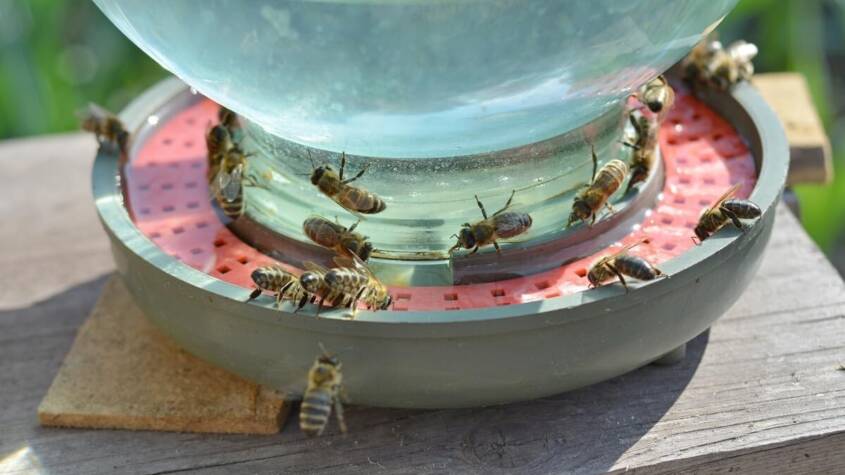
Outdoor water features play an important ecological role, yet they sometimes invite unexpected insect attention during warmer seasons. Bird baths provide consistent hydration sources that attract wildlife seeking relief from heat and dryness. While birds benefit most visibly, pollinators often detect these water sources through scent and environmental cues. Shallow water, exposed edges, and sun-warmed surfaces increase accessibility for flying insects. Consequently, bird baths become multifunctional hydration stations rather than exclusive avian resources.
Bees require water to regulate hive temperature, dilute stored honey, and maintain bodily hydration. When natural water sources dry seasonally, artificial alternatives become especially attractive. Residential yards often contain limited standing water, making these features highly noticeable. Because bees prefer shallow access points, sloped basins further increase appeal unintentionally. Understanding these dynamics helps homeowners interpret insect presence accurately rather than assuming aggressive behavior.
Additionally, mineral content within water enhances attraction, especially when stones or soil accumulate naturally. These trace minerals support bee health, reinforcing repeated visitation. Over time, consistent availability strengthens memory-based navigation patterns. Once established, these routines persist until environmental conditions change. Awareness of these factors empowers homeowners to adjust features responsibly while preserving ecological balance.
How Bee Behavior Responds
Pollinators exhibit complex behavioral responses to environmental stability and predictable resource availability. Bird baths represent consistent landmarks within changing landscapes, particularly during drought periods. Bees rely on spatial memory to optimize foraging efficiency and reduce energy expenditure. When a water source remains unchanged, it becomes integrated into established flight routes. This explains why activity often increases gradually rather than appearing suddenly.
Unlike flowers, water sources provide essential support without seasonal variability. This reliability increases visitation frequency as colonies grow and temperatures rise. However, bees rarely intend to establish hives near water features exclusively. Their presence usually reflects temporary resource utilization rather than territorial expansion. Recognizing this distinction helps homeowners remain calm while evaluating appropriate responses.
Midway through summer, increased activity sometimes leads residents to seek professional guidance. In some cases, consultation with a bee removal service in San Marcos helps assess whether behavior reflects normal foraging or developing structural nesting nearby. Professionals often recommend modifying water access rather than removal, maintaining pollinator health while restoring residential comfort. This balanced approach protects ecosystems while addressing household concerns responsibly.
Bird Baths Placement And Design
Placement strongly influences how bird baths interact with surrounding insect populations. Units positioned in full sunlight warm quickly, increasing evaporation and mineral concentration. These conditions intensify attractiveness for hydration-seeking insects during peak heat. Conversely, shaded placements reduce temperature differentials, lowering appeal without eliminating function. Strategic positioning therefore becomes a key management tool.
Design elements also affect accessibility significantly. Wide, shallow basins allow easier landing for insects compared to deeper containers. Smooth surfaces reduce grip difficulty, encouraging longer visits. Incorporating gentle slopes or textured surfaces benefits birds but inadvertently supports insect access. Adjusting basin depth or edge texture can discourage extended use by pollinators.
Regular maintenance further influences outcomes. Stagnant water accumulates organic material that enhances scent signaling. Frequent refreshing disrupts mineral buildup and reduces olfactory attraction. By maintaining cleanliness, homeowners preserve avian benefits while minimizing unintended consequences. Small design and maintenance adjustments collectively reduce excessive insect presence effectively.
Safe Solutions That Reduce Attraction
Effective solutions prioritize coexistence rather than elimination, preserving ecological integrity across residential environments. Introducing moving water features reduces appeal by disrupting stable access points. Gentle circulation discourages insects while remaining attractive to birds. Additionally, adjusting refill schedules limits mineral concentration without depriving wildlife.
Alternative hydration stations placed away from high-traffic areas redirect insect activity naturally. These supplemental sources reduce reliance on central features. Landscaping modifications further support redirection by increasing natural moisture retention elsewhere. Mulched beds and native groundcover provide alternative hydration zones without concentrating activity.
Physical barriers also offer subtle deterrence. Elevated placement reduces accessibility for low-hovering insects while maintaining bird usability. Smooth pedestal designs minimize landing opportunities without causing harm. Combined, these strategies create layered deterrence that respects environmental balance and homeowner comfort simultaneously.
Creating Balanced Outdoor Spaces
Successful outdoor design balances wildlife support with practical living considerations. Bird baths remain valuable features when integrated thoughtfully into broader landscape planning. Awareness of environmental cues allows homeowners to guide activity rather than react impulsively. This proactive mindset fosters sustainable coexistence with pollinators.
Seasonal monitoring ensures adjustments remain effective as conditions change. What works during spring may require refinement during peak summer heat. Flexibility remains essential for long-term success. Gradual modifications outperform abrupt removals, maintaining ecological stability while addressing concerns.
Ultimately, understanding why bird baths attract insects empowers homeowners to implement safe, effective solutions confidently. Through informed placement, thoughtful design, and consistent maintenance, outdoor spaces remain harmonious. Respecting pollinator needs while protecting household comfort achieves sustainable outcomes beneficial for all.
What Makes a Good IVF Clinic in Bangalore? Key Factors to Know
Choosing the right IVF clinic is one of the most important decisions for couples strugglin…

Why ABQ Realtors Are Seeing High Demand in the Metro Area
The Albuquerque metro area has experienced a noticeable surge in housing activity over the …