

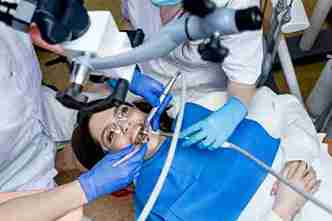
Undergoing a surgical tooth extraction can be an overwhelming experience for many patients. While the procedure is common and generally safe, the recovery process is crucial to ensure proper healing and prevent complications. Understanding what to expect after surgery, the stages of healing, and best practices for post-operative care can make a significant difference in recovery speed and comfort. In this guide, we’ll explore the healing process after a surgical tooth extraction, provide practical tips for recovery, and highlight precautions to ensure a smooth and complication-free experience.
Understanding Surgical Tooth Extraction
A surgical tooth extraction is performed when a tooth cannot be removed through a simple extraction, often due to being impacted, broken, severely decayed, or awkwardly positioned in the jaw. In such cases, surgical tooth extraction Leicester may be recommended to ensure safe and effective removal. The procedure typically involves making small incisions in the gum, sometimes removing surrounding bone, and may require sutures to close the site. Performed under local anaesthesia, sedation, or general anaesthesia depending on complexity, surgical extractions are more invasive than simple extractions but provide an effective solution for complex dental issues and associated pain relief.
Immediate Post-Operative Healing
The first 24–48 hours after a surgical tooth extraction are critical for initiating proper healing. During this period, patients can expect:
- Bleeding Control: Minor bleeding is normal. Biting gently on gauze helps manage bleeding and promotes clot formation.
- Swelling and Bruising: Ice packs applied to the outside of the face in intervals of 15–20 minutes can help reduce swelling.
- Pain Management: Prescribed or over-the-counter pain medication can alleviate discomfort. It’s important to follow the dosage instructions carefully.
- Rest and Comfort: Minimising physical activity and elevating the head during rest can aid in reducing swelling and bleeding.
Following these initial steps establishes the foundation for a smooth recovery and prevents complications such as prolonged bleeding or dry socket.

First Week Recovery
As healing progresses, the first week is crucial for soft tissue recovery. Patients may notice:
- Reduction in swelling and tenderness
- Gradual improvement in mouth opening and jaw mobility
- Soft tissue beginning to close over the extraction site
- Mild discomfort while chewing
Dietary Recommendations:
- Stick to soft foods such as yogurt, mashed potatoes, soups, and smoothies
- Avoid hot, spicy, or crunchy foods that may irritate the surgical site
- Stay hydrated with water and clear fluids
Oral Hygiene Adjustments:
- Gently rinse the mouth with salt water or prescribed mouthwash
- Avoid brushing directly over the extraction site initially
- Clean other teeth normally to maintain overall oral health
This week is also an ideal time for patients to monitor their healing and follow any specific instructions provided by their dentist or oral surgeon.
Long-Term Healing
Healing continues beyond the first week, with soft tissue typically closing within 2–3 weeks. Bone remodeling, however, may take several months to fully stabilise. Key aspects of long-term recovery include:
- Gum Tissue Healing: The extraction site gradually closes and forms healthy gum tissue.
- Bone Remodeling: The jawbone fills in the socket left by the extracted tooth over several months.
- Return to Normal Diet: As healing progresses, patients can slowly reintroduce regular foods.
- Follow-Up Appointments: Scheduled visits allow the dentist to monitor healing, remove sutures if necessary, and ensure no complications have developed.
Maintaining patience and adhering to post-operative care guidelines ensures complete recovery and reduces the likelihood of setbacks.
Tips for Faster and Safer Recovery
Proper care after a surgical tooth extraction can accelerate healing and minimise discomfort. Here are practical tips:
| Do | Don’t |
| Apply ice packs in intervals | Smoke or use straws |
| Eat soft, nutritious foods | Bite hard or crunchy foods |
| Take prescribed medications on time | Skip follow-up visits |
| Maintain gentle oral hygiene | Ignore unusual swelling or pain |
Additional recovery tips include:
- Avoid strenuous activities for the first few days to reduce bleeding risk
- Keep the head elevated when resting to control swelling
- Avoid touching or probing the extraction site with fingers or tongue
Implementing these tips supports optimal healing and helps prevent common complications such as infection or dry socket.
Signs of Complications
While most surgical tooth extractions heal without issues, it’s important to recognise warning signs that may indicate complications:
- Persistent bleeding beyond 24 hours
- Severe pain not relieved by medication
- Swelling that worsens instead of improving
- Fever or signs of infection
- Loss of sensation or a pins-and-needles feeling in the lips, tongue, or chin
If any of these symptoms occur, patients should contact their dental professional immediately to address the problem before it worsens.
Maintaining Oral Care During Recovery
Oral care plays a vital role in recovery. Maintaining cleanliness in the mouth without disturbing the extraction site can prevent infection and support tissue healing. Recommendations include:
- Gently rinse with saltwater or an antiseptic mouthwash as directed
- Refrain from brushing the extraction area directly during the first few days of healing
- Continue brushing and flossing other teeth normally
- Avoid using harsh mouthwashes or rinses that may irritate the area
Proper oral care ensures that the surgical site heals efficiently and that surrounding teeth remain healthy during the recovery period.

When to Consider Professional Assistance
In some cases, additional dental procedures or follow-up care may be required. Patients with complex extractions, impacted teeth, or persistent discomfort may benefit from expert evaluation. Dental specialists in Leicester provide professional care, including Surgical Tooth Extraction in Leicester, along with thorough aftercare appointments to ensure a smooth and comfortable recovery. Additionally, patients who require tooth replacement after extraction may explore options such as dental implants. Services such as dental implant Leicester provide durable solutions that restore both oral function and natural appearance following tooth loss.
Conclusion
Recovering from a surgical tooth extraction requires careful attention to healing, oral hygiene, and lifestyle adjustments. By understanding the stages of recovery, following recommended care practices, and recognising signs of complications, patients can enjoy a smooth and comfortable healing process.For Leicester residents in need of expert dental care, Smilo Dental Implant Leicester offers a full range of services, including dental implants and surgical tooth extractions. With skilled professional support, patients can heal with confidence and enjoy long-lasting, healthy smiles.
What Makes a Good IVF Clinic in Bangalore? Key Factors to Know
Choosing the right IVF clinic is one of the most important decisions for couples strugglin…

Why ABQ Realtors Are Seeing High Demand in the Metro Area
The Albuquerque metro area has experienced a noticeable surge in housing activity over the …