

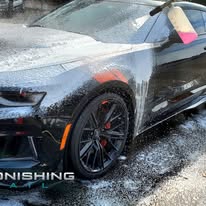
What a Waterless Car Wash Actually Is
A waterless car wash uses a spray-on solution designed to encapsulate dirt and lubricate the surface so contaminants can be wiped away without rinsing. The idea is to clean and lightly protect the paint using microfiber towels instead of hoses and buckets.
This is different from a rinseless wash, which still uses a small amount of water in a bucket. Waterless washing relies entirely on product chemistry and technique.
Understanding that distinction matters, because waterless washing has a much narrower safe-use window.
Why Waterless Car Wash Became Popular
The rise of waterless car washing makes sense. Many people live in apartments, deal with water restrictions, or simply don’t have the time or space for a traditional wash.
From a practical standpoint, waterless washing offers:
-
Convenience when hoses aren’t available
-
Minimal setup and cleanup
-
Reduced water usage
-
Quick maintenance between full washes
When used in the right situations, it can be a genuinely helpful tool.
The Biggest Advantage: Convenience
There’s no denying the convenience factor. A waterless wash can be done in a parking garage, driveway, or even at a workplace lot.
For lightly dusty vehicles, it’s often faster than dragging out equipment. I’ve used waterless products myself when traveling or maintaining a car that was already well protected and only had a thin layer of dust.
That “already clean” condition is key.
A Common Mistake People Make
Here’s a personal observation I see constantly: people try to use waterless wash on cars that are simply too dirty.
Road grit, dried mud, and heavy grime don’t belong anywhere near a waterless process. No amount of lubrication can make wiping heavy contamination safe. That’s where scratches and swirl marks are born.
Waterless washing is not a replacement for proper washing. It’s a maintenance option, not a rescue method.
When Waterless Car Washing Makes Sense
Used correctly, waterless washing can be safe and effective. Ideal situations include:
-
Light dust or pollen buildup
-
Garage-kept vehicles
-
Recently washed cars
-
Vehicles with paint protection like sealants or coatings
In these cases, contamination sits on top of the surface rather than being bonded or abrasive.
The smoother and better protected the paint, the safer waterless washing becomes.
The Technique Matters More Than the Product
Waterless washing is far more technique-dependent than traditional washing. You can’t rush it.
Safe technique includes:
-
Using multiple clean microfiber towels
-
Folding towels frequently to expose clean sides
-
Spraying generously to ensure lubrication
-
Using light, straight-line motions
Dragging a single towel across the entire car is a guaranteed way to mar the paint.
Insider Tip: Treat Towels as Disposable During the Wash
One insider tip that makes a big difference: treat microfiber towels as disposable during a single waterless wash session.
Once a towel side is used, don’t reuse it. Switch to a clean surface or a fresh towel. This dramatically reduces the risk of dragging grit across the paint.
It feels excessive at first, but it’s one of the best ways to minimize scratching.
The Downsides of Waterless Car Washing
While waterless washing has its place, it comes with real drawbacks that shouldn’t be ignored.
Increased Risk of Scratches
Even under ideal conditions, wiping contaminants directly off paint carries more risk than rinsing them away with water first. This risk increases significantly as dirt levels rise.
On darker paint, even light marring becomes visible quickly.
Limited Cleaning Power
Waterless washes don’t flush dirt out of crevices, badges, or trim. They clean what you can wipe, but they don’t truly rinse the vehicle.
Over time, buildup in tight areas still needs a proper wash.
Not Ideal for Wheels and Lower Panels
Lower panels and wheels accumulate heavier contamination like brake dust and road grime. These areas are poor candidates for waterless washing and should be cleaned using traditional methods.
Trying to waterless-wash wheels is one of the fastest ways to ruin microfiber towels and scratch surfaces.
Waterless Wash and Paint Protection
Waterless washing works best on protected paint. Sealants and ceramic coatings reduce surface friction and prevent dirt from bonding aggressively.
Detailers who focus on long-term paint care, including those working in exterior car detailing richmond va, often emphasize that waterless washing should be reserved for maintenance on already protected vehicles. It’s not meant to replace foundational care like proper washing and protection.
Insider Tip: Inspect the Paint Before You Start
Before committing to a waterless wash, run a quick visual and tactile inspection.
If the surface looks gritty, streaked, or visibly dirty, stop. That’s your cue to do a traditional wash instead. Learning when not to use waterless methods is just as important as knowing how to use them.
Environmental Considerations
Waterless washing is often promoted as environmentally friendly, and in many cases, it is. It dramatically reduces water usage and runoff.
However, that benefit only holds if the method doesn’t lead to paint damage that requires correction later. Paint correction consumes time, energy, and products of its own.
Used appropriately, waterless washing can be part of a more sustainable maintenance routine.
Comparing Waterless Wash to Traditional Washing
Traditional washing excels at safely removing heavy dirt. Waterless washing excels at quick maintenance on lightly soiled vehicles.
They’re not competitors. They’re tools for different scenarios.
A balanced approach often looks like this:
-
Traditional wash for heavy dirt and periodic deep cleaning
-
Waterless wash for light dust between washes
Understanding that balance prevents misuse.
How Often Can You Use Waterless Washing?
Frequency depends on vehicle condition and environment. A garage-kept car driven occasionally may safely use waterless washing more often.
A daily-driven car exposed to rain, road grime, and construction dust should rely primarily on traditional washing, with waterless methods used sparingly.
There’s no universal schedule. Observation matters more than routine.
Long-Term Effects on Paint
When done correctly, waterless washing doesn’t automatically damage paint. When done incorrectly, it accelerates swirl formation.
I’ve seen vehicles maintained carefully with waterless products that still looked excellent years later. I’ve also corrected vehicles that were heavily marred after just a few months of improper waterless washing.
The difference wasn’t the product. It was the judgment and technique behind it.
Who Should Avoid Waterless Car Washing
Waterless washing may not be ideal if:
-
The vehicle is consistently very dirty
-
The paint is already heavily scratched
-
You’re short on clean microfiber towels
-
You tend to rush cleaning tasks
In these cases, traditional washing is the safer choice.
Final Thoughts
Waterless car washing isn’t a gimmick, and it’s not a cure-all. It’s a situational tool that works best when used with restraint and awareness.
The biggest mistake people make is trying to force it into situations where it doesn’t belong. When used on lightly soiled, well-protected paint with careful technique, waterless washing can be a convenient and effective option.
Also read for more information so click here.
What Makes a Good IVF Clinic in Bangalore? Key Factors to Know
Choosing the right IVF clinic is one of the most important decisions for couples strugglin…

Why ABQ Realtors Are Seeing High Demand in the Metro Area
The Albuquerque metro area has experienced a noticeable surge in housing activity over the …