


In recent years, sound healing has become one of Calgary’s most sought-after holistic wellness practices, drawing people from all walks of life who are seeking restorative balance, emotional release, and deep relaxation. From the rhythmic vibrations of crystal bowls to the grounding resonance of gongs and chimes, sound healing sessions can open pathways of healing that traditional therapies sometimes miss. However, to ensure the most effective and meaningful experience, there are established best practices that facilitate safety, harmony, and authentic transformation.
Whether you’re a newcomer curious about your first sound bath, a seasoned participant seeking deeper insights, or a practitioner refining your craft, understanding these practices can greatly enhance the benefits of every session.
-
Understand What Sound Healing Is — and Is Not
Sound healing is the intentional use of sound frequencies to soothe the nervous system, balance energy centers (chakras), and support mental and emotional processing. It is rooted in the idea that everything vibrates, including the human body, and that certain sound frequencies can help restore coherence and calm.
However, sound healing is not a replacement for medical treatment or psychological therapy. It is complementary — meant to support wellbeing alongside professional care, not replace essential health interventions.
In Calgary’s wellness community, many sound healers emphasize this distinction clearly so participants approach sessions with realistic expectations.
-
Choose a Qualified and Grounded Practitioner
One of the most important best practices for sound healing in Calgary is ensuring your facilitator is experienced, ethical, and grounded.
When selecting a practitioner:
Look for someone with formal training in sound therapy or related disciplines such as yoga, music therapy, or energy work.
Ask about their philosophy and approach, including how they work with different instruments like crystal bowls, gongs, tuning forks, drums, or voice.
Read testimonials or reviews from past participants.
Ensure they uphold safe practices, including consent, sensitivity to trauma, and an inclusive environment.
A skilled sound healer not only creates an immersive sonic experience but also respects the emotional and physical boundaries of each participant.
-
Create a Comfortable and Sacred Space
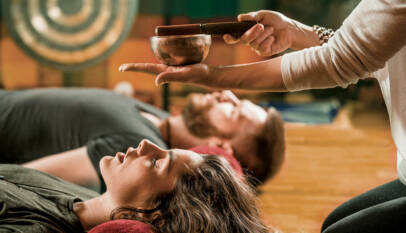
The environment in which a sound healing session takes place is central to the experience. In Calgary, many practitioners host sessions in wellness studios, yoga centres, or serene community spaces designed to facilitate calm and relaxation.
Some elements that contribute to an ideal space include:
Soft lighting: Dimmed lights or candles help participants orient inward rather than outward.
Comfortable seating or lying surfaces: Mats, blankets, pillows, and bolsters support the body comfortably throughout the session.
Clean, uncluttered space: A tidy environment reduces visual distraction and encourages peace.
For group sessions, layout matters. Participants are often spaced evenly, lying in a circle or rows, so they feel part of a collective field without feeling crowded.
-
Set Intentions Before the Session Begins
Intention setting is a powerful practice that can shape the direction of your sound healing experience. Many Calgary sound healers begin sessions by guiding participants through a short reflection or breathing exercise to focus their mind.
Encourage participants to ask themselves:
Why am I here today?
What do I hope to release, receive, or heal?
How do I want to feel after this session?
This does not have to be complicated; even a simple internal acknowledgment of purpose can help anchor your experience and deepen your engagement with the sounds.
-
Respect Your Body and Its Signals
Sound vibrations create profound sensations that sometimes include emotional releases, tingling, warmth, or heaviness. This is a natural part of the process for many people.
However, one of the best practices in Calgary and elsewhere is listening to your own body:
If a sound feels too intense, gently open your eyes or adjust your position.
If you feel overwhelmed, use your breath as a grounding tool — slow, steady inhalations and exhalations can bring your system back into balance.
Drink water before and after to stay hydrated and support physical release.
Remember that sensitivity varies between individuals. What is soothing for one person might be intense for another, and that’s perfectly okay.
-
Observe Silence Before and After Sound
Silence plays a vital role in sound healing. While the sounds themselves are therapeutic, the spaces of silence allow the nervous system to integrate the experience.
Calgary practitioners often observe intentional periods of quiet before and after the session:
Before: To settle the mind and enter the space with clarity.
After: To process and absorb the frequencies that were received.
Participants are encouraged to remain still in silence for a few minutes after the sound ends — a practice that enhances calm and extends the benefits beyond the session.
-
Create a Ritual of Transition
It’s easy to walk into a session stressed or preoccupied and walk out feeling differently — but if you immediately return to your daily routine, the transition may feel abrupt.
Instead:
Allow a few moments to gently sit up and stretch at the end of the session.
Journal any insights, emotions, or sensations that arose.
Take a mindful walk outside if possible — Calgary’s outdoor spaces can provide fresh air and grounding.
This transition ritual helps bridge the inner work of sound healing with everyday life.
-
Maintain Regular Practice to Deepen Results
While a single session can be deeply relaxing, the full benefits of sound healing often unfold with consistency. Many Calgary studios offer packages or series of sessions that allow participants to explore deeper layers of relaxation, emotional release, and self-awareness.
Regular engagement can help:
Reduce chronic stress
Improve sleep quality
Support emotional regulation
Enhance focus and clarity
Integrating sound healing into your self-care routine amplifies its long-term impact.
-
Honour Personal Reflection Post-Session
After a sound healing session, participants may experience a range of responses — relief, joy, introspection, emotional release, or even quiet stillness. All are valid.
Encourage reflective practices such as:
Journaling
Meditative breathing
Gentle movement (stretching, yoga)
Quiet time before interacting with others



What Makes a Good IVF Clinic in Bangalore? Key Factors to Know
Choosing the right IVF clinic is one of the most important decisions for couples strugglin…

Why ABQ Realtors Are Seeing High Demand in the Metro Area
The Albuquerque metro area has experienced a noticeable surge in housing activity over the …