

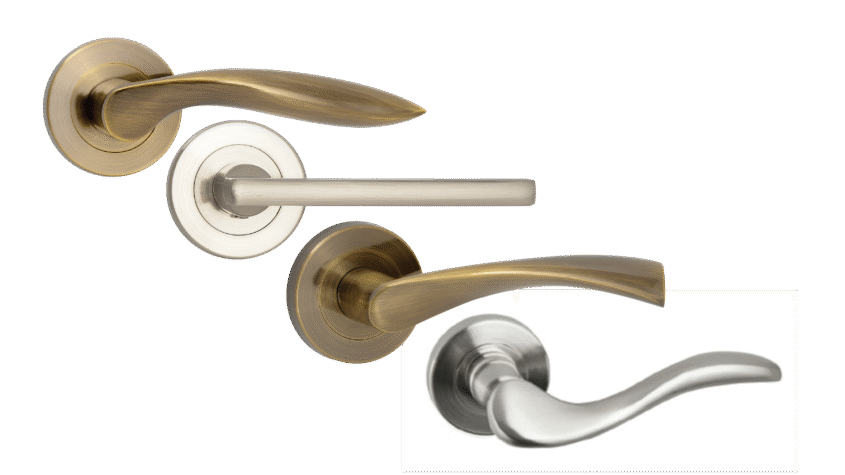
Architectural hardware, door handles are often overlooked. They are one of the most frequently touched elements in homes, offices, and public buildings—yet they rarely receive the attention they deserve.
Among the many materials used in manufacturing door handles, aluminium stands out as a sophisticated, practical, and increasingly popular choice. Offering a unique blend of performance, longevity, and aesthetic appeal, aluminium door handles are more than just functional necessities: they are design features that elevate spaces.
The Rise of Aluminium in Architectural Hardware
Aluminium’s journey from industrial metal to a design favorite has been remarkable. Traditionally used in aerospace, automotive, and structural applications due to its lightweight and strong nature, aluminium has gradually found its way into architectural hardware. Today’s designers and homeowners value it for its versatility, durability, and style potential.
Unlike heavier metals such as brass or steel, aluminium provides many benefits while remaining cost-effective. Its emergence in interior and exterior door hardware reflects broader trends in modern design—minimalist aesthetics, high performance, and sustainability.
Key Advantages of Aluminium Door Handles
To understand why aluminium door handles are increasingly chosen by architects, builders, and homeowners, it helps to explore their key advantages:
1. Strength Meets Lightness
Aluminium is known for its exceptional strength-to-weight ratio. It maintains durability and resilience against daily use while remaining lightweight. This makes door handles comfortable to operate and effortless to install.
Unlike heavy handles that can feel clunky or tiring over repeated use, aluminium handles feel balanced in the hand. Their weight also reduces strain on door mechanisms over time, helping hinges and latches last longer.
2. Corrosion Resistance
One of aluminium’s most valuable properties is its natural resistance to corrosion. When exposed to air, aluminium forms a protective oxide layer that shields it from rust and environmental wear. This makes door handles an excellent choice for:
Exterior doors exposed to rain, wind, and varying temperatures
Bathrooms, kitchens, and humid environments
Coastal homes where salt air accelerates corrosion
Compared to untreated iron or steel, aluminium requires less maintenance and retains its appearance longer.
3. Design Flexibility and Aesthetics
Aluminium lends itself beautifully to modern design. Its clean lines, smooth surface, and contemporary look make it ideal for minimalist and contemporary spaces. But its versatility doesn’t stop there. Aluminium handles can be anodised, powder-coated, or finished in a range of colours and textures, from matte black or brushed silver to bold custom hues.
Architects appreciate that aluminium can be easily shaped into:
- Sleek minimalist profiles
- Bold geometric forms
- Ergonomic and sculptural designs
This adaptability means aluminium door handles can be integrated into virtually any design language—whether Scandinavian simplicity, high-tech modern, or industrial chic.
4. Low Maintenance and Longevity
Unlike materials that require polishing, oiling, or frequent cleaning to maintain their appeal, door handles are inherently low-maintenance. Their corrosion resistance and robust finish mean they stay attractive with minimal care.
A simple wipe with a soft cloth and mild cleaner is usually enough to remove fingerprints or surface dust. Unlike brass or bronze that can patina or require polishing to maintain shine, aluminium retains its finish longer, preserving its aesthetic appeal.
5. Eco-Friendly and Recyclable
Sustainability is no longer a buzzword—it’s a requirement in responsible design. Aluminium is highly recyclable: up to 95% of aluminium can be reused without loss of quality. This contrasts with some metals that lose integrity after recycling.
Using UPVC door handles contributes to greener building practices. Recycled aluminium also uses significantly less energy to produce compared to primary aluminium, reducing carbon footprint.
Where Aluminium Door Handles Shine
Door handles are suitable for a broad range of settings, each benefitting from the material’s distinct properties.
Residential Spaces
In homes, door handles are tactile features that influence daily experiences. Aluminium handles bring a modern sensibility to:
- Front doors (especially when paired with contemporary facades)
- Interior bedroom and bathroom doors
- Sliding or patio door systems
Their reliability complements family homes, while their style enhances interior design coherence.
Commercial and Public Buildings
High-traffic environments such as offices, hotels, restaurants, and retail spaces demand hardware that can withstand frequent use without degrading. UPVC door handles are great in these settings because they:
- Resist wear and tear
- Keep appearance over time
- Offer easy cleaning for hygiene standards
In commercial contexts, aluminium handles also pair well with access control systems and automated doors, making them functional and stylish.
Outdoor and Specialty Applications
Due to their corrosion resistance, aluminium handles are well suited for exterior applications—even in harsh weather conditions. Coastal homes, garden gates, pool area doors, and terraces benefit from aluminium hardware that resists salt spray, moisture, and temperature extremes.
Choosing the Right Aluminium Door Handle
When selecting door handles, several factors should influence your choice:
Finish and Coating
Aluminium can be anodised, powder-coated, or plated. Each finish affects appearance and performance:
- Anodised – Enhances corrosion resistance and durability
- Powder-coated – Offers a broad range of colour options
- Brushed or polished – Adds texture and aesthetic depth
Choose finishes that complement hardware, door material, and overall design.
Ergonomics
Handle shape and ergonomics matter. Consider:
Comfort in gripping
Ease of use for children or elderly occupants
Compatibility with door thickness and latch systems
Ergonomic design enhances functionality in everyday use.
Style and Architecture
Match the handle design to your architectural style:
Linear, geometric profiles for contemporary interiors
Rounded, softer shapes for transitional spaces
Statement hardware with distinctive forms for design emphasis
Think of door handles as accent pieces, not just functional parts.
Maintenance Tips for Door Handles
Aluminium handles are low-maintenance, but a few simple tips help prolong life and appearance:
Dust regularly with a soft cloth
Clean gently with mild soap and water (avoid abrasive cleaners)
Inspect periodically to tighten any loose screws
Protect finishes from harsh chemicals or abrasive scrubbing
Avoid steel wool or harsh solvents that can damage surface finishes.
The Future of Door Hardware: Aluminium at the Forefront
As design trends continue to favour materials that blend sustainability, performance, and aesthetics, door handles are positioned as a standout choice. Their balance of form and function reflects contemporary values: minimalist elegance, environmental responsibility, and enduring quality.
Architects and designers increasingly specify aluminium hardware for projects where every detail counts—from luxury residences to cutting-edge commercial builds. Meanwhile, homeowners appreciate how aluminium handles contribute to an overall sense of cohesion and modern refinement.
Conclusion
Aluminium door handles prove that functional items don’t have to sacrifice beauty. They deliver strength, longevity, design versatility, and low maintenance, making them a sound investment for any space. Whether you’re renovating a home, specifying hardware for a commercial project, or simply upgrading your doors, aluminium handles offer a perfect balance of style and performance.
In a world where design details increasingly define the character of spaces, door handles stand out as subtle yet impactful elements—quietly elevating both form and function in every doorway they adorn.


What Makes a Good IVF Clinic in Bangalore? Key Factors to Know
Choosing the right IVF clinic is one of the most important decisions for couples strugglin…

Why ABQ Realtors Are Seeing High Demand in the Metro Area
The Albuquerque metro area has experienced a noticeable surge in housing activity over the …