
Introduction
As winter approaches, most homeowners expect their gas fire to provide steady warmth and comfort. However, in many homes, gas fires quietly develop issues long before the cold season fully arrives. For this reason, many local households choose a gas fire service stoke-on-trent to identify hidden faults early and ensure their heating system is ready before winter demand increases.
At first, these problems may seem minor. Still, if ignored, they can lead to poor heating performance, higher energy bills, or even safety risks. Understanding the early warning signs makes a real difference. More importantly, acting before winter sets in helps you avoid emergency breakdowns when heating is needed the most.
1. Weak or Inconsistent Flame
One of the first signs homeowners notice is a weak or uneven flame. Instead of a steady, strong burn, the flame may flicker, change colour, or appear smaller than usual.
Why this happens
Over time, burners can collect dust and soot. As a result, gas flow becomes restricted. In addition, internal components may wear down, reducing efficiency.
Why expert help matters
Although the fire may still turn on, poor flame quality often signals deeper problems. A professional inspection ensures safe cleaning, proper gas flow, and restored performance.
2. The Room Takes Longer to Warm Up
If your gas fire seems to be working but the room stays cold, this is another clear warning sign.
What’s going on
This usually points to efficiency loss. Blocked burners, worn components, or airflow issues can prevent heat from spreading evenly. Meanwhile, older systems may struggle to meet heating demands.
What professionals do
During a full inspection, engineers assess heat output, airflow, and component condition. Many homeowners rely on a gas fire service stoke-on-trent at this stage to restore proper heating before winter pressure increases.
3. Unusual Smells When the Fire Is On
A slight smell when first turning on a gas fire can be normal. However, persistent or strong odours should never be ignored.
Possible causes
Dust buildup, incomplete combustion, or ventilation problems can all cause unusual smells. In some cases, this may indicate a gas-related issue.
Why immediate action is important
Gas-related smells are a safety concern. A professional gas fire servicing check ensures combustion is clean, ventilation is clear, and the system is safe to use.
4. Frequent Pilot Light Problems
If your gas fire uses a pilot light and it keeps going out, this is another sign something isn’t right.
Common reasons
Drafts, faulty thermocouples, or gas supply inconsistencies can cause repeated pilot failures. Over time, this puts strain on the entire system.
Expert solution
Professionals can quickly identify whether the issue lies with the thermocouple ignition system, or airflow, preventing repeated shutdowns during colder months.
5. Clicking, Whistling, or Strange Noises
Gas fires are usually quiet. Therefore, unusual sounds sh,ould always raise concern.
What the noises mean
Clicking or whistling may signal loose components, gas flow issues, or pressure irregularities. Meanwhile, rattling noises can point to worn internal parts.
Why professionals are needed
Ignoring strange sounds often leads to larger failures. A trained engineer can diagnose the root cause early and prevent costly emergency heating repair later in winter.
6. Visible Soot or Black Marks
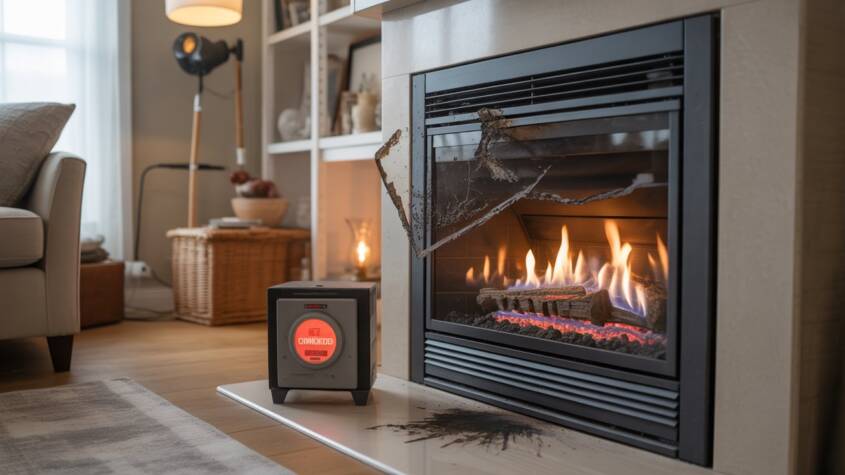
Black marks around the fire or soot buildup inside the unit are clear visual warnings.
Why this happens
Soot often indicates incomplete combustion or blocked airflow. Over time, this reduces efficiency and increases safety risks.
How experts fix it
Professionals clean internal components, adjust combustion settings, and check ventilation paths. This not only improves heating but also ensures safe operation.
7. Rising Energy Bills Without Extra Use
If your energy bills increase even though your usage hasn’t changed, your gas fire may be working harder than it should.
What’s causing it
Worn components, airflow issues, or outdated systems can force the fire to consume more gas for less heat.
Professional assessment
Through proper gas fire maintenance, engineers restore efficiency and often help homeowners reduce long-term heating costs.
8. Fire Shuts Off Unexpectedly
A gas fire that turns off on its own is never normal, especially during regular use.
Possible explanations
Safety sensors may be detecting overheating, airflow issues, or ignition faults. While these systems protect you, repeated shutdowns signal an underlying problem.
Why expert checks matter
Professionals reset safety controls, replace faulty sensors, and ensure the fire operates reliably throughout winter.
9. Poor Airflow Around the Fire
Even when the flame looks fine, poor airflow can prevent heat from circulating properly.
Common causes
Blocked vents, closed flues, or room layout changes can restrict airflow. In addition, older homes may have outdated ventilation systems.
Professional solution
Experts assess airflow paths and recommend adjustments to improve heat distribution and safety at the same time.
10. The Gas Fire Is Several Years Old
Age alone doesn’t mean a gas fire is unsafe, but older units often need closer attention before winter.
Why age matters
As systems age, internal parts wear down and efficiency drops. Meanwhile, newer models offer better heat control and safety features.
What professionals recommend
A professional gas fire service evaluates whether repairs, upgrades, or replacements make the most sense for long-term comfort.
Why Pre-Winter Servicing Is So Important
Before winter arrives, demand for heating engineers rises sharply. Addressing issues early means:
- Fewer breakdowns during cold spells
- Improved heating performance
- Better safety and peace of mind
- Lower risk of emergency callouts
Many homeowners schedule inspections with a trusted gas fire service stoke-on-trent specifically to avoid last-minute winter problems.
FAQ – Gas Fire Safety and Performance
How often should a gas fire be checked?
Once a year is recommended, ideally before winter begins.
Can small issues really become big problems?
Yes. Minor faults often lead to breakdowns or safety concerns if ignored.
Is professional servicing really necessary?
Absolutely. Gas systems require trained handling to ensure safety and compliance.
What’s included in a professional gas fire check?
Inspection of burners, ignition, ventilation, safety controls, and overall efficiency.
Should I stop using my fire if something feels wrong?
Yes. If you notice smells, noises, or performance issues, turn it off and contact a professional.
Conclusion
Gas fires often show warning signs long before they fail completely. Weak heat, strange smells, pilot issues, or rising bills all signal the need for expert attention. By acting before winter arrives and arranging professional servicing, homeowners can stay warm, safe, and stress-free throughout the cold season.
What Makes a Good IVF Clinic in Bangalore? Key Factors to Know
Choosing the right IVF clinic is one of the most important decisions for couples strugglin…

Why ABQ Realtors Are Seeing High Demand in the Metro Area
The Albuquerque metro area has experienced a noticeable surge in housing activity over the …