

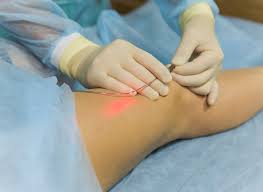
Varicose veins are more than just a cosmetic concern—they can cause discomfort, swelling, and even lead to more serious complications if left untreated. For years, patients relied on traditional surgical procedures to manage varicose veins, which often involved long recovery times and considerable discomfort. Today, modern medicine offers a safer, minimally invasive alternative: laser treatment for varicose veins.
Laser therapy has revolutionized how vein specialists treat varicose veins, providing patients with effective relief, shorter recovery, and aesthetically pleasing results. This article delves into how laser treatment works, its benefits, risks, and why it may be the best choice for people suffering from varicose veins.
Understanding Varicose Veins
Varicose veins occur when veins become enlarged, dilated, and overfilled with blood, often appearing twisted and bulging on the skin. They typically develop in the legs due to prolonged standing, obesity, pregnancy, or genetic factors affecting vein valve function. Common symptoms include:
-
Aching, heavy legs
-
Swelling around the ankles
-
Visible, rope-like veins
-
Itching or skin discoloration
While lifestyle changes and compression stockings can manage mild cases, advanced varicose veins often require medical interventions.
What is Laser Treatment for Varicose Veins?
Laser treatment for varicose veins, also called Endovenous Laser Therapy (EVLT), is a minimally invasive procedure that uses targeted laser energy to seal affected veins. Unlike traditional surgery, this treatment doesn’t require large incisions, and the recovery is significantly faster.
The procedure works by inserting a thin laser fiber into the problematic vein under ultrasound guidance. The laser emits energy that heats and collapses the vein walls, eventually causing the vein to be absorbed by the body. Blood flow is naturally redirected to healthy veins, restoring proper circulation without harming surrounding tissue.
Types of Laser Treatments
There are primarily two types of laser therapy for varicose veins:
-
Endovenous Laser Therapy (EVLT):
-
A minimally invasive procedure performed under local anesthesia.
-
Used for larger varicose veins, particularly those in the deeper vein system.
-
Quick recovery, usually allowing patients to resume daily activities within a day.
-
-
Surface Laser Therapy:
-
Non-invasive treatment applied directly to the skin.
-
Primarily effective for smaller veins and spider veins.
-
Multiple sessions may be required for optimal results.
-
Benefits of Laser Treatment
Laser treatment offers several advantages compared to traditional vein surgery:
-
Minimally Invasive: No large incisions, reducing scarring and infection risks.
-
Faster Recovery: Most patients resume daily activities immediately or within a day.
-
High Success Rate: Studies show a success rate of 95% or higher for EVLT.
-
Reduced Pain: Minimal discomfort during and after the procedure.
-
Cosmetic Improvement: Treated veins fade over time, improving leg appearance.
-
Outpatient Procedure: No need for prolonged hospitalization.
Who is a Candidate?
Most adults experiencing symptomatic varicose veins can benefit from laser therapy. Candidates typically include those with:
-
Painful, bulging veins
-
Swelling and heaviness in the legs
-
Previous failed treatments or vein surgeries
-
Desire to avoid traditional surgery
A thorough consultation with a qualified vascular specialist is essential to determine if laser treatment is the right approach, as certain medical conditions may require alternative treatments.
The Procedure: Step-by-Step
Understanding the process can help patients feel comfortable and prepared. Here’s a general outline:
-
Consultation:
-
Ultrasound imaging evaluates the affected veins and blood flow.
-
The physician discusses treatment options and expected outcomes.
-
-
Anesthesia:
-
Local anesthesia is applied to numb the treatment area.
-
-
Laser Fiber Insertion:
-
A small catheter is inserted into the vein, guided by ultrasound.
-
The laser fiber is then introduced through the catheter.
-
-
Laser Activation:
-
The laser emits energy, heating and sealing the vein from the inside.
-
-
Completion and Recovery:
-
The catheter is removed, and a compression bandage or stocking is applied.
-
Patients are usually advised to walk immediately to encourage circulation.
-
Recovery and Aftercare
Recovery from laser treatment is generally quick. Most patients experience mild bruising, swelling, or tenderness that resolves within a week or two. To maximize results:
-
Wear compression stockings as recommended.
-
Engage in light walking to maintain circulation.
-
Avoid strenuous activities for a few days.
-
Attend follow-up appointments for ultrasound checks.
Most patients see visible improvement in vein appearance and symptom relief within weeks, with long-term benefits lasting for years.
Risks and Considerations
Although laser treatment for varicose veins is generally safe, patients should be aware of potential risks:
-
Minor bruising or swelling
-
Temporary nerve irritation or numbness
-
Rarely, blood clots
-
Pigmentation changes at the treatment site
Choosing a qualified, experienced vascular specialist significantly minimizes complications and ensures the best possible outcome.
Laser Treatment vs. Traditional Surgery
Traditional vein stripping surgery involves removing the affected veins through incisions, which can be painful and require weeks of recovery. In contrast, laser treatment is:
-
Less invasive
-
More precise
-
Less painful
-
Faster in recovery
-
Better for cosmetic results
The non-surgical nature of laser therapy makes it particularly appealing for those with busy lifestyles who want effective results without lengthy downtime.
Lifestyle Tips for Vein Health
Even after successful laser treatment, maintaining vein health is essential to prevent recurrence:
-
Exercise regularly to improve circulation.
-
Maintain a healthy weight to reduce pressure on veins.
-
Avoid prolonged standing or sitting; take breaks to move.
-
Elevate legs when resting to reduce swelling.
-
Wear compression stockings if recommended.
These steps complement medical treatment and ensure long-lasting results.
Why Choose Laser Treatment
Laser therapy for varicose veins combines effectiveness with convenience, safety, and minimal discomfort. With high success rates and quick recovery, it offers an ideal solution for patients seeking relief from the pain and appearance of varicose veins. By redirecting blood flow to healthy veins, the treatment restores comfort, mobility, and confidence.
For those struggling with varicose veins, consulting a specialist and considering laser therapy can be a transformative decision—both for health and lifestyle.
Conclusion
Varicose veins should not be ignored, as they can lead to discomfort, complications, and reduced quality of life. Laser treatment for varicose veins offers a safe, minimally invasive solution with high success rates, minimal downtime, and excellent cosmetic results. By combining professional treatment with a healthy lifestyle, patients can effectively manage vein health, alleviate symptoms, and enjoy long-term benefits. If varicose veins are affecting your daily life, exploring laser therapy with a qualified specialist is a step toward healthier, more comfortable legs.
What Makes a Good IVF Clinic in Bangalore? Key Factors to Know
Choosing the right IVF clinic is one of the most important decisions for couples strugglin…

Why ABQ Realtors Are Seeing High Demand in the Metro Area
The Albuquerque metro area has experienced a noticeable surge in housing activity over the …