


Most e-commerce businesses do not fail because of low demand. They struggle because their systems stop working together as the business grows. Many e-commerce businesses start small and grow quickly. At the beginning, simple tools work well. What once looked like a simple online store has turned into a complex setup that needs constant fixing. Systems break. Data mismatches happen. Teams get stuck solving technical problems instead of growing sales.
Most online stores today still rely on plugin-based platforms. These platforms depend on many add-ons to manage inventory, payments, shipping, customer data, and reporting. At the start, this feels flexible. Over time, it becomes risky.
This is why more brands are moving away from plugin-heavy models and choosing centralized systems instead.
The Real Problem with Plugin-Based E-Commerce Platforms
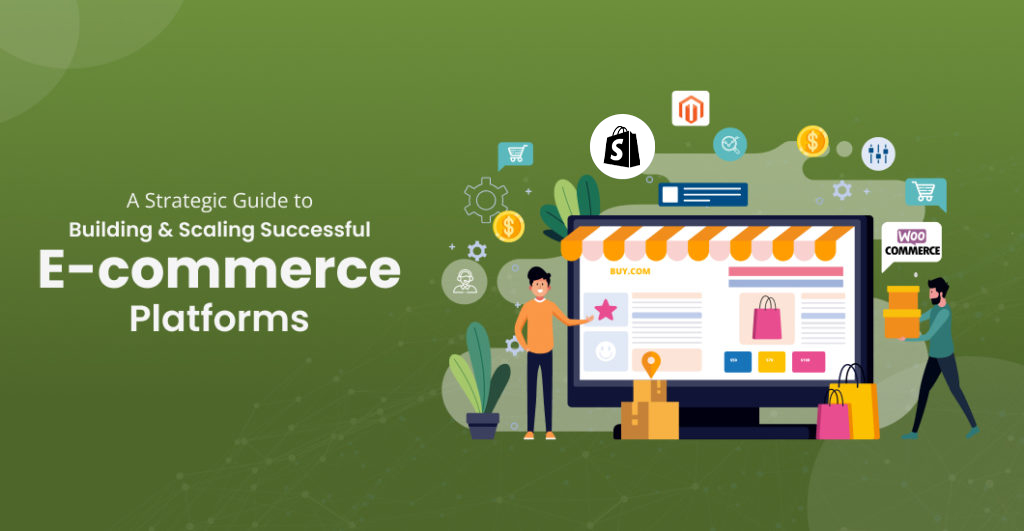
Platforms such as Shopify e-commerce and the Magento e-commerce platform are popular because they are easy to start with. But growth brings new needs. Stores begin adding plugins for courier tracking, promotions, reviews, COD handling, and reporting.
Each plugin works separately. Updates do not always match. One update can slow down the website. Another can break the checkout. Performance drops. Security risks increase.
For businesses running on Magento Open Source, the challenge is even bigger. Any small change on a Magento website often needs developer time. Costs increase quietly over months.
This growing complexity is one of the reasons Shopify Alternatives Are Needed in Pakistan, where businesses need speed, stability, and lower dependency on technical teams.
Why Centralized E-Commerce Systems Make More Sense
Centralized systems are built with a different mindset. Instead of adding features later, core functions are already part of the platform.
Orders, inventory, payments, CRM, vendors, and analytics all live inside one system. This creates a one window e-commerce solution where data stays connected.
Teams work from one dashboard. Updates happen instantly. Errors reduce naturally because systems are not fighting each other.
This approach helps businesses spend less time fixing issues and more time improving customer experience.
Operational Accuracy Comes from System Design
Most operational mistakes are not human errors. They are system errors.
When inventory does not update on time, overselling happens. When courier data is delayed, deliveries suffer. When accounting tools are separate, reports never match.
Centralized platforms include built-in e-commerce inventory software, e-commerce stock management software, and accounting software. These tools are designed to work together.
This design is what makes centralized systems more reliable than plugin-based setups.
Why This Matters in Emerging E-Commerce Markets
Markets like Pakistan are growing quickly. Businesses are no longer running just single stores. They are building online marketplace, service marketplace, and b2b marketplace models.
Managing vendors, pricing rules, commissions, and settlements on plugin-based systems is risky. One small error can affect many sellers.
Centralized platforms act as a B2B eCommerce Alternative and a practical e-commerce alternative marketplace. They support scalable b2b marketplaces without forcing businesses to rebuild systems every year.
Comverse as a Centralized E-Commerce Platform
Comverse by Ginkgo Retail was built as a centralized platform from the start. It is not a storefront with add-ons. It is a connected system.
It works as an e-commerce smart hub where orders, inventory, vendors, payments, and customers stay in sync. Businesses do not need dozens of plugins or external tools.
Comverse offers a fully customizable ecommerce platform with native e-commerce platform customization. Workflows can be adjusted without breaking the system.
This makes it a smarter alternative to Shopify and Magento for businesses planning long-term growth.
Lower Dependency on External Tools and CRMs
Many businesses rely on external tools like salesforce crm software. While powerful, systems tied to salesforce pricing and salesforce sales cloud increase cost and complexity.
Centralized platforms reduce this dependency. Comverse includes built-in crm solutions, relationship management software, and a native crm portal.
Customer data, order history, and vendor activity stay inside one platform, reducing errors and saving time.
Mobile and Marketplace Readiness Without Plugins
By 2026, mobile shopping will dominate e-commerce. Plugin-based platforms often require separate app development and third-party mobile app services.
They also handle ecommerce marketplace management internally, making scaling smoother and safer.
Why Businesses Are Rethinking Their Platform Choices
Many brands now realize that quick launches do not guarantee long-term success. Stability, accuracy, and control matter more.
This is why companies are actively searching for Shopify alternatives, magento alternative pakistan, and e-commerce alternatives in Pakistan.
They want an end to end e-commerce platform that grows with them, not against them.
Conclusion
Plugin-based platforms helped e-commerce grow in its early years. But their limits are now clear.
Centralized systems reduce errors, simplify operations, and lower long-term costs. They allow businesses to scale without rebuilding their entire setup every year.
Comverse by Ginkgo Retail stands out as an end to end e-commerce solution 2025 that already meets the needs of 2026. It removes unnecessary complexity and brings everything into one system.
For businesses that want accuracy, control, and steady growth, centralized platforms are no longer optional. They are the future.
Book a demo today: https://comverseglobal.com/book-a-demo/
Want further information?
Contact Comverse at:
0313 5319365
inquiry@ginkgoretail.com
www.comverseglobal.com
FAQS:
- What is a centralized e-commerce system?
A centralized e-commerce system manages orders, inventory, payments, and customers from one platform instead of using multiple plugins or tools. - Why do plugin-based platforms cause problems over time?
As more plugins are added, systems slow down, updates conflict, and errors become harder to control. - Is a centralized platform better for marketplaces?
Yes. Marketplaces need accurate vendor, inventory, and payment data, which works better in one connected system. - Can centralized platforms support business growth?
They scale more smoothly because businesses do not need to rebuild systems or add new tools as volume increases. - Why are businesses in Pakistan moving away from plugin-based platforms?
Local businesses need simpler systems that support growth without heavy technical costs or constant maintenance.

What Makes a Good IVF Clinic in Bangalore? Key Factors to Know
Choosing the right IVF clinic is one of the most important decisions for couples strugglin…

Why ABQ Realtors Are Seeing High Demand in the Metro Area
The Albuquerque metro area has experienced a noticeable surge in housing activity over the …