

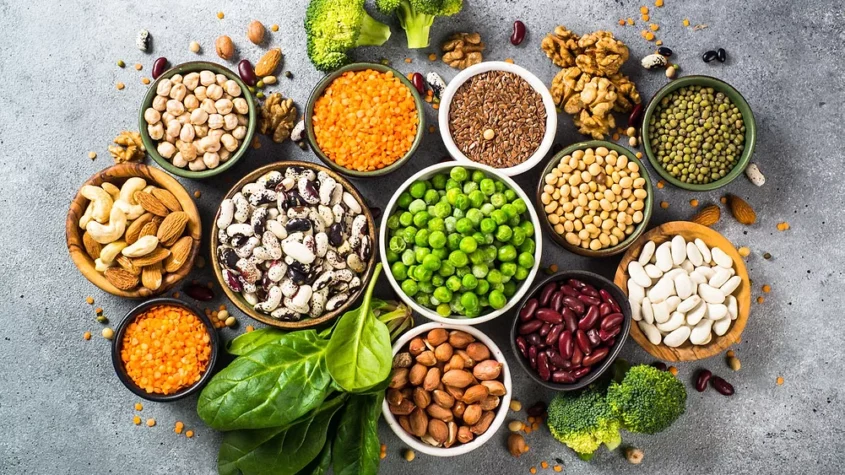
Clean, plant-based proteins are no longer a niche preference. We see them showing up in grocery carts, gym bags, lunch boxes, and family dinners. This shift is not driven by hype alone, it is rooted in lived experience, health concerns, environmental responsibility, and a growing desire for food that feels honest and nourishing. People are paying closer attention to what goes into their bodies, and what stays out, and that attention has reshaped how protein is defined and valued.
The Meaning of Clean Protein in Modern Diets
When we talk about clean protein, we are talking about ingredients that are recognizable, minimally processed, and free from unnecessary additives. Many consumers feel fatigue from long ingredient lists that read more like chemistry notes than food. Plant-based proteins answer that discomfort with simplicity. Sources like peas, lentils, chickpeas, hemp, and brown rice provide protein without artificial colors, synthetic sweeteners, or hidden fillers. This clarity matters emotionally as well as nutritionally, because eating becomes less stressful and more intentional.
We also notice how clean protein connects to trust. Trust in brands, trust in farming practices, and trust in our own choices. According to research shared by Harvard T.H. Chan School of Public Health, plant proteins support heart health and metabolic balance, yet many people adopt them because they feel lighter, more comfortable, and less inflamed after meals. That feeling is personal, not clinical, and it spreads through shared conversations.
Why Plant-Based Protein Feels More Human
Food is emotional. For many families, switching to plant-based protein comes from watching a loved one struggle with digestion, cholesterol, or food sensitivities. We hear stories of people wanting energy without heaviness, strength without discomfort, and nourishment without guilt. Plant-based proteins align with those hopes because they support the body while respecting its limits. They digest differently, often slower, often gentler, though every body reacts in its own way.
There is also a cultural pull. Traditional diets across the world relied heavily on beans, grains, and seeds long before modern supplements existed. Returning to these roots feels grounding. It reminds people of meals cooked with care, shared tables, and food that carried meaning. The rise of plant protein is not rejection of tradition, it is recognition of it, even if that idea sounds backwards at first glance.
Health Considerations Driving the Shift
Health professionals continue to discuss how excessive intake of certain animal proteins may contribute to inflammation and cardiovascular strain. While balance is key, many consumers choose plant-based options to regain a sense of control over their health. Plant proteins bring fiber, phytonutrients, and antioxidants that animal sources do not naturally contain. This combination supports digestion and gut health, which people increasingly link to mood and immunity, even if the science still evolving.
Data published through PubMed Central shows associations between plant-forward diets and reduced risk markers for chronic disease. Yet numbers alone do not drive behavior. What drives behavior is waking up without bloating, training without joint pain, or simply feeling steady through the afternoon instead of crashing. Those experiences get shared, and they matter more than charts.
In the middle of these conversations, many shoppers search for solutions that meet specific dietary needs. A common discussion centers on the best gluten free protein powder, especially for people managing celiac disease or gluten sensitivity while still wanting complete amino acid profiles. That search reflects a deeper need for inclusion, for food that does not exclude or punish the body for being different.
Environmental Awareness and Ethical Choices
Environmental responsibility is another strong current pushing plant-based proteins forward. Livestock agriculture requires significant land, water, and energy resources. Many consumers, especially younger ones, feel a moral weight when choosing food. Plant proteins offer a way to align daily habits with values, without demanding perfection. Eating this way feels like participation rather than sacrifice.
Organizations like the World Wildlife Fund highlight how plant-forward diets can reduce environmental strain. While not everyone adopts plant-based eating for ecological reasons, knowing that a protein choice causes less harm brings peace of mind. That peace is quiet but powerful, and it stays.
Performance, Fitness, and Everyday Strength
Athletes and active individuals once dismissed plant protein as incomplete or weak. That belief has shifted. Blended plant proteins now deliver full amino acid profiles, including leucine, which supports muscle repair. We see runners, weight lifters, and weekend hikers choosing plant protein because it supports recovery without heaviness. Performance is not just about numbers, it is about consistency, and digestion plays a role many ignored before.
The Academy of Nutrition and Dietetics confirms that well planned plant-based diets can support athletic performance at every level. Their position shared at EatRight.org reflects what people already feel in their bodies. Strength does not require excess, it requires nourishment that works with the body not against it.
The Emotional Trust Factor Behind Purchasing Decisions
Consumers are reading labels more carefully, sometimes squinting at small print in store aisles. That behavior comes from disappointment in the past. When a product promises wellness but delivers discomfort, trust erodes fast. Clean, plant-based proteins rebuild that trust slowly. Transparent sourcing, short ingredient lists, and honest messaging matter because people remember how food made them feel, not just how it tasted.
There is also community influence. Friends share recipes, parents share concerns, trainers share preferences. These shared experiences create momentum. When someone says they feel better, sleep better, or train better with plant protein, that statement carries emotional weight. It is not perfect grammar, it is not scientific language, but it feels real, and real stories change habits faster than polished claims.
Why This Momentum Continues to Grow
Clean, plant-based proteins answer multiple needs at once. They respect the body, reduce environmental impact, and fit into diverse lifestyles. They are flexible enough for busy mornings and thoughtful enough for intentional living. This balance explains why the trend continues, even when trends usually fade. People are not chasing novelty, they are choosing comfort, trust, and alignment.
We believe this popularity will keep growing because it is built on shared human experiences. Wanting to feel good after eating, wanting to protect the planet in small ways, wanting food that does not argue with the body. These desires are not loud, but they are persistent. And persistence reshapes markets more reliably than noise ever could.


What Makes a Good IVF Clinic in Bangalore? Key Factors to Know
Choosing the right IVF clinic is one of the most important decisions for couples strugglin…

Why ABQ Realtors Are Seeing High Demand in the Metro Area
The Albuquerque metro area has experienced a noticeable surge in housing activity over the …