

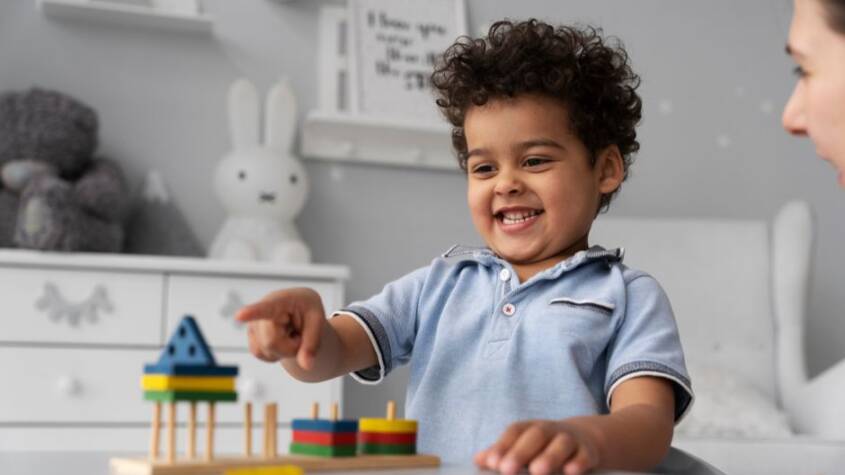
Play is not just a way for children to pass time or enjoy themselves. It plays a crucial role in their development, especially when incorporated into developmental therapy services. These services aim to assist children with a variety of needs, such as learning difficulties, developmental delays, sensory processing issues, and emotional challenges. When play becomes a central part of therapy, it offers children the opportunity to practice skills in a fun and engaging way, which helps them reach their full potential.
In this post, we’ll cover how play supports children’s growth in developmental therapy and why therapists use it as a fundamental tool in helping children reach their developmental milestones.
Key Takeaways
-
Play is a natural and engaging method for children to develop essential skills in therapy.
-
It supports cognitive, social, emotional, and motor skill development.
-
Play helps children improve social skills, emotional regulation, and empathy.
-
It reduces anxiety and stress, offering a safe space for emotional expression.
-
Play enhances self-esteem and confidence by offering success in enjoyable activities.
-
It builds trust and rapport between children and therapists, making therapy more effective.
-
Through play, children can experience holistic development, advancing multiple skills at once.
1. Play as a Natural Learning Tool
For children, play is the most natural way to learn. It’s through play that kids begin to make sense of the world around them. Whether it’s learning to share with others, discovering cause and effect, or developing physical coordination, play gives children hands-on experiences that are both enjoyable and educational.
In developmental therapy services, therapists incorporate play to guide children through a range of developmental milestones. These milestones often include cognitive skills, emotional regulation, motor development, and social skills. Play activities can be tailored to suit a child’s specific needs, creating an environment where learning occurs without the pressure of traditional academic methods.
2. Enhancing Social Skills and Emotional Development
Interacting with others during playtime allows children to practice important social skills like communication, turn-taking, and problem-solving. They learn to negotiate with peers, express their emotions, and cope with frustration or disappointment when things don’t go their way. These lessons in socialization help children develop empathy and emotional intelligence.
In therapy sessions, therapists set up structured play scenarios that focus on these specific skills. For example, they might use role-playing games to encourage children to express their emotions in words, or use board games to teach patience and the ability to handle winning or losing. These types of activities give children the space to practice essential social and emotional coping skills that will serve them throughout their lives.
3. Cognitive Development Through Play
Cognitive skills like problem-solving, memory, and attention span are also nurtured through play. Board games, puzzles, building blocks, and other interactive activities engage a child’s brain, encouraging them to think critically, make decisions, and remember patterns. These types of activities can significantly improve attention and focus, which are essential for academic and personal growth.
Therapists will often incorporate games that challenge a child’s thinking process, such as tasks that require them to follow multi-step instructions or activities that involve sequencing. These exercises help children with cognitive delays or learning challenges to enhance their thinking abilities while staying engaged.
4. Motor Skills and Physical Development
Motor skills are another area where play can be a game-changer for children in therapy. Physical play, such as jumping, running, or manipulating small objects, helps improve both fine and gross motor skills. Activities like drawing, stacking blocks, and using scissors can build fine motor control, while physical games that involve larger movements can help develop coordination, balance, and overall physical strength.
For kids with developmental delays in motor skills, therapy often focuses on playful exercises that build these abilities in a non-pressured, enjoyable way. For example, therapists may use activities such as throwing or catching a ball to improve hand-eye coordination or tasks that involve jumping or balancing to enhance core strength and motor control.
Related Blog:- Signs Your Child May Need Pediatric Developmental Therapy
5. Reducing Anxiety and Stress
Play also offers a vital therapeutic benefit for children who struggle with anxiety, stress, or trauma. Engaging in play allows children to express their emotions safely, without the need for words. In fact, many children find it easier to express their feelings through play rather than directly talking about them, especially if they have experienced trauma or are unable to verbalize their emotions clearly.
In therapeutic settings, therapists often use play as a form of emotional release, allowing children to work through difficult experiences and express their feelings. This can be particularly helpful in children with PTSD or other emotional challenges, as it gives them a way to “act out” and process their emotions indirectly.
6. Building Self-Esteem and Confidence
As children engage in different play activities and succeed at tasks, their sense of accomplishment and confidence grows. Successfully solving a puzzle, winning a game, or mastering a new skill can have a significant impact on a child’s self-esteem. For children with developmental delays or learning difficulties, these moments of success become even more meaningful.
Therapists use play to encourage children to step out of their comfort zones and try new things. Positive reinforcement during play helps children gain a sense of competence, boosting their belief in their own abilities. This is especially important in helping children who may struggle with feelings of inadequacy or low self-worth.
7. Play Builds Relationships Between Therapists and Children
Therapists and children form a partnership through play. A positive therapeutic relationship is vital for progress, and engaging in play allows the therapist to build trust and rapport with the child. The more comfortable the child feels, the more willing they are to engage in therapeutic activities, which speeds up their development.
By participating in games and playful activities, therapists at GenCare Kids can observe a child’s behavior, communication style, and emotional responses, allowing them to adjust their approach as needed. Additionally, playtime gives therapists the opportunity to model appropriate behaviors, such as how to share, how to take turns, and how to manage frustration.
8. Play Supports Development in a Holistic Way
Developmental therapy focuses on supporting the child’s overall growth—cognitive, emotional, social, and physical. Play naturally integrates all of these aspects, making it an ideal tool for therapy. It’s not just about helping a child meet specific developmental goals; it’s about ensuring that every area of their development is nurtured.
When therapists use play, they can simultaneously support multiple aspects of a child’s development, ensuring that no area is neglected. This holistic approach to therapy is what makes play so essential in working with children. It’s a dynamic and multifaceted tool that grows with the child, adapting to their developmental needs.
FAQ
1. How does play help children with developmental delays?
Play helps children with developmental delays by allowing them to practice skills in a fun, low-pressure environment. It also promotes cognitive, emotional, and motor skill development, which are essential areas for children with developmental challenges.
2. Can therapy games be customized for different needs?
Yes, therapy games can be tailored to meet the specific developmental needs of each child. Therapists design activities that target the child’s areas of difficulty, whether it’s motor skills, emotional regulation, or social skills.
3. What types of play are most beneficial for kids in therapy?
Activities like puzzles, board games, building blocks, role-playing, and sensory play can all be beneficial. These activities engage a child’s mind, foster social interaction, and help build motor skills, making them highly effective in therapy.
4. At what age do children begin to benefit from therapy play?
Children of all ages can benefit from therapy play. Early childhood is a particularly crucial time, as play helps lay the foundation for later learning and development, but older children can also benefit from play-based therapies tailored to their age and developmental needs.
5. How does play help children manage stress or anxiety?
Play provides an outlet for children to express emotions and manage stress in a non-verbal way. It allows children to work through difficult emotions safely and helps them develop coping strategies for managing stress and anxiety.






What Makes a Good IVF Clinic in Bangalore? Key Factors to Know
Choosing the right IVF clinic is one of the most important decisions for couples strugglin…

Why ABQ Realtors Are Seeing High Demand in the Metro Area
The Albuquerque metro area has experienced a noticeable surge in housing activity over the …