

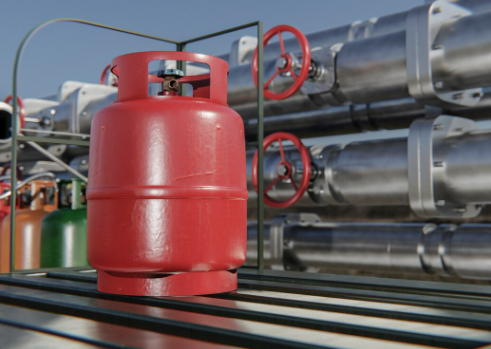
Gas bottles play a vital role in homes, businesses, and industries worldwide. They are commonly used for cooking, heating, welding, medical applications, and industrial processes. While gas bottles are extremely useful, they can also be hazardous if not stored, handled, and maintained properly. Gas leaks, explosions, and fires often occur due to negligence, poor storage conditions, or lack of maintenance.
This comprehensive gas bottles safety guide explains everything you need to know about safe storage, correct handling, and proper maintenance of gas bottles. Following these safety practices can significantly reduce risks, protect lives, and ensure long-term performance of gas cylinders.
Understanding Gas Bottles and Their Risks
Gas bottles, also known as gas cylinders, are pressurized containers designed to store gases such as LPG, propane, butane, oxygen, acetylene, and carbon dioxide. These gases may be flammable, toxic, or stored under high pressure, making safety a top priority.
Common Risks Associated with Gas Bottles
-
Gas leaks due to damaged valves or regulators
-
Fire hazards caused by flammable gases
-
Explosions from overheating or overpressure
-
Health risks from inhaling toxic gases
-
Physical injuries from improper handling
Understanding these risks is the first step toward preventing accidents and ensuring safe use.
Importance of Gas Bottles Safety
Gas bottle safety is not optional—it is essential. Even a small mistake can result in serious consequences, including property damage, injuries, or fatalities. Proper safety measures help:
-
Prevent gas leaks and fires
-
Extend the lifespan of gas bottles
-
Ensure compliance with safety regulations
-
Protect people and the environment
By following a structured gas bottles safety guide, users can minimize risks and use gas cylinders with confidence.
Gas Bottles Storage Safety Guidelines
Proper storage is one of the most critical aspects of gas bottle safety. Incorrect storage can weaken cylinders, increase pressure, and lead to dangerous situations.
Choose a Well-Ventilated Area
Gas bottles should always be stored in a well-ventilated space. Ventilation allows leaked gas to disperse instead of accumulating, reducing the risk of fire or explosion.
Store Gas Bottles Upright
Always store gas bottles in an upright position with the valve at the top. This prevents liquid gas from reaching the valve and reduces the risk of leakage.
Keep Away from Heat Sources
Gas bottles should be kept away from:
-
Direct sunlight
-
Open flames
-
Stoves, heaters, and electrical equipment
Excessive heat can increase internal pressure, leading to leaks or cylinder rupture.
Separate Full and Empty Gas Bottles
Clearly separate full gas bottles from empty ones. This prevents confusion and ensures proper stock management, especially in commercial and industrial settings.
Secure Bottles to Prevent Falling
Gas bottles should be secured using chains, straps, or stands. Falling cylinders can damage valves, causing sudden gas release.
Avoid Indoor Storage When Possible
Flammable gas bottles should ideally be stored outdoors in a shaded, secure area. If indoor storage is necessary, ensure compliance with safety standards and adequate ventilation.
Safe Handling Practices for Gas Bottles
Handling gas bottles incorrectly is a common cause of accidents. Proper handling techniques protect both the user and the equipment.
Use Protective Equipment
When handling gas bottles, especially in industrial environments, wear:
-
Safety gloves
-
Protective footwear
-
Eye protection
This reduces the risk of injury from falls, leaks, or accidental contact.
Never Drag or Roll Gas Bottles
Gas bottles should never be dragged, rolled horizontally, or dropped. Always use:
-
Cylinder trolleys
-
Hand trucks
-
Mechanical lifting equipment
These tools help move gas bottles safely without damaging them.
Handle Valves with Care
Valves are the most sensitive part of gas bottles. Never force a valve open or closed. Use the correct tools and ensure the valve is fully closed when not in use.
Do Not Modify Gas Bottles
Never attempt to:
-
Alter the cylinder
-
Repair valves yourself
-
Remove safety devices
Unauthorized modifications can compromise safety and lead to serious accidents.
Keep Gas Bottles Away from Children
Gas bottles should always be kept out of reach of children and untrained individuals. Access should be limited to authorized users only.
Safe Transportation of Gas Bottles
Transporting gas bottles requires special care to avoid leaks and physical damage.
Secure Bottles During Transport
Gas bottles must be properly secured to prevent movement during transportation. Loose cylinders can fall, roll, or strike other objects.
Transport in an Upright Position
Whenever possible, transport gas bottles in an upright position. This helps maintain valve integrity and prevents internal pressure imbalance.
Ensure Adequate Ventilation
Vehicles transporting gas bottles should be well-ventilated. Never transport gas cylinders in enclosed spaces without airflow.
Remove Regulators Before Transport
Always remove regulators and attach protective valve caps before transporting gas bottles. This protects valves from damage.
Gas Bottles Maintenance and Inspection
Regular maintenance is essential for safe and efficient gas bottle use. Neglecting maintenance increases the risk of leaks and equipment failure.
Inspect Gas Bottles Regularly
Check gas bottles for:
-
Rust or corrosion
-
Dents or cracks
-
Valve damage
-
Expired inspection dates
Any damaged or expired gas bottle should be removed from service immediately.
Check for Gas Leaks
Leak detection is crucial for safety. Signs of gas leaks include:
-
Smell of gas
-
Hissing sounds
-
Sudden pressure loss
If a leak is suspected, turn off the gas supply, ventilate the area, and seek professional assistance.
Maintain Regulators and Hoses
Regulators and hoses should be inspected regularly for:
-
Cracks or wear
-
Loose connections
-
Blockages
Replace damaged components immediately to prevent leaks.
Follow Requalification and Testing Schedules
Gas bottles must undergo periodic testing and requalification according to safety standards. Never use a cylinder that has exceeded its test date.
Emergency Safety Measures for Gas Bottles
Despite precautions, emergencies can still occur. Being prepared can save lives.
What to Do in Case of a Gas Leak
-
Turn off the gas supply immediately
-
Open doors and windows for ventilation
-
Avoid using electrical switches or flames
-
Evacuate the area if necessary
Fire Involving Gas Bottles
If a gas bottle is exposed to fire:
-
Do not attempt to move it
-
Call emergency services immediately
-
Keep a safe distance
Trained professionals should handle gas-related fires.
Workplace Gas Bottles Safety Tips
In commercial and industrial environments, gas bottle safety must be strictly enforced.
Train Employees Properly
All workers handling gas bottles should receive proper safety training. Training reduces human error and improves emergency response.
Display Safety Labels and Signs
Clear labeling helps identify gas types and hazards quickly. Safety signs also remind workers to follow correct procedures.
Implement Safety Audits
Regular safety audits ensure compliance with gas bottles safety guidelines and identify potential risks early.
Environmental Considerations and Disposal
Gas bottles should never be disposed of carelessly.
Proper Disposal of Gas Bottles
-
Return empty bottles to suppliers
-
Follow approved recycling procedures
-
Never puncture or burn gas cylinders
Responsible disposal protects the environment and prevents accidents.
Conclusion
Gas bottles are essential tools in daily life and industry, but they demand respect and responsibility. By following a proper gas bottles safety guide, users can significantly reduce risks associated with storage, handling, and maintenance. Safe storage in ventilated areas, careful handling with the right equipment, regular inspections, and proper maintenance are the foundations of gas safety.
Whether used at home, in workplaces, or in industrial settings, gas bottles must always be treated with caution. Awareness, training, and adherence to safety practices not only protect lives and property but also ensure efficient and long-lasting use of gas cylinders. Prioritizing gas bottle safety is not just good practice—it is a necessity.






What Makes a Good IVF Clinic in Bangalore? Key Factors to Know
Choosing the right IVF clinic is one of the most important decisions for couples strugglin…

Why ABQ Realtors Are Seeing High Demand in the Metro Area
The Albuquerque metro area has experienced a noticeable surge in housing activity over the …