

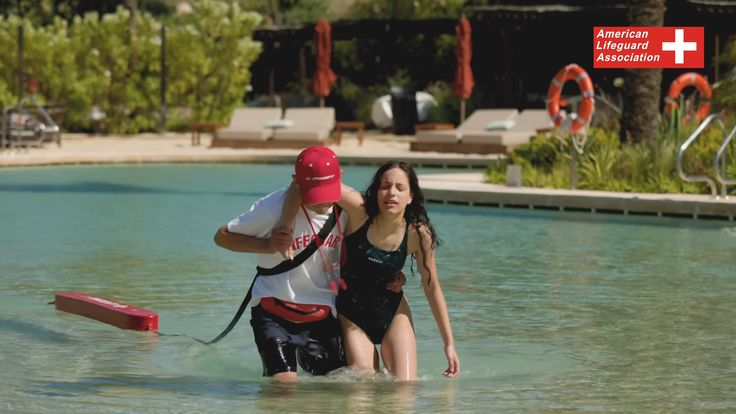
Lifeguard certification courses by the American Lifeguard USA are crucial for anyone interested in ensuring safety around water. These courses equip individuals with the skills needed to prevent incidents and handle emergencies with confidence.
From pools to beaches, lifeguards play a vital role in protecting swimmers and reducing risk. They are trained to recognize hazards early, respond quickly, and communicate clearly during high-pressure situations.
Lifeguard certification is often a requirement for employment in aquatic facilities. It involves both theoretical knowledge and practical skills, ensuring lifeguards can perform rescues and provide emergency care when needed.
Finding lifeguard training classes near you is easier than ever. Many centers now offer flexible formats, including blended learning that combines online study with in-person skills practice.
This guide explores the importance of lifeguard certification, the skills covered in training, the certification process, and how to find reputable courses near you.
Summary
This guide explains why lifeguard training is essential for aquatic safety and how lifeguard certification courses by the American Lifeguard USA prepare responders for emergencies through blended learning and hands-on practice. It covers core skills such as surveillance, rescue techniques, CPR/first aid, equipment use, communication, and teamwork. You’ll also learn about certification requirements and renewal, program options for pools, beaches, and water parks, and how scenario-based training builds real-world readiness.
Why Lifeguard Training Matters
Lifeguard training is essential for maintaining safety in aquatic settings. It prepares individuals to respond to emergencies promptly and professionally. Lifeguards must be ready to act quickly to prevent drownings, injuries, and medical emergencies.
Being a lifeguard involves more than just strong swimming skills. Training emphasizes understanding water safety, identifying risk patterns, and practicing rescue techniques. These skills are crucial for reacting effectively to various incidents, including distressed swimmers, injuries, or sudden health emergencies.
Having certified lifeguards on duty brings peace of mind to swimmers. Families and communities rely on lifeguards to maintain a safe environment. Therefore, certified lifeguards play a key role in ensuring public confidence and trust.
Lifeguard training programs cover several important elements, including:
-
CPR and First Aid
-
Rescue techniques
-
Use of rescue equipment
-
Emergency communication skills
Training also helps aspiring lifeguards develop teamwork and communication skills, which are vital in high-pressure situations. These skills ensure smooth coordination with other lifeguards and emergency personnel during critical incidents.
What to Expect in Lifeguard Training
Lifeguard training is a comprehensive program blending theory and hands-on practice. Participants engage in a variety of exercises to build vital skills. Each session focuses on key abilities needed for emergency preparedness.
Training includes practical swimming drills to boost water confidence, stamina, and controlled movement. Participants also learn to use rescue equipment efficiently. Instructors ensure trainees can respond quickly, follow safety protocols, and make smart decisions in stressful situations.
Expect to study CPR and first aid to handle medical emergencies. Lifeguard trainees practice these skills repeatedly to develop speed and accuracy. These techniques are essential for saving lives when seconds count.
Courses often involve simulated rescue scenarios. These simulations help trainees practice realistic situations such as active drowning behavior, spinal injury risk, or unconscious victims. This practice improves decision-making and confidence under pressure.
A typical lifeguard training course covers:
-
Swimming proficiency and endurance
-
Basic CPR and first aid
-
Use of backboards and rescue buoys
-
Techniques for different water emergencies
The program also builds essential soft skills like communication and teamwork. Good communication helps lifeguards coordinate quickly and maintain control during emergencies.
Key Skills and Certifications Covered
In lifeguard training, a range of essential skills is taught for effective surveillance and rescue. One key focus is developing scanning and observation skills. Lifeguards learn to spot early signs of distress and respond before situations worsen.
Another critical component is first aid and CPR. Lifeguards must be prepared to provide immediate medical assistance, including chest compressions, rescue breaths, and AED awareness where required.
Lifeguard certification is an important qualification gained through these courses. It confirms a lifeguard’s ability to perform critical lifesaving tasks and follow recognized safety standards.
Key competencies covered in lifeguard certification include:
-
Mastery of different swim strokes and safe approaches
-
First aid and CPR techniques
-
Use of rescue tools like backboards and buoys
-
Handling suspected spinal and head injuries
These certifications are crucial for employment and must be renewed regularly. Renewal ensures that lifesaving skills remain current, reliable, and aligned with updated safety practices.
Beyond technical skills, training builds leadership and confidence. Lifeguards are often seen as role models in aquatic environments, and strong training prepares them for that responsibility.
Lifeguard Certification: Requirements and Process
Obtaining lifeguard certification involves meeting specific requirements and following a structured process. Certification programs are designed to ensure lifeguards can safely rescue victims and provide emergency care.
To qualify, candidates must meet prerequisites. This typically includes minimum age requirements (often 15 years old) and basic swimming capability. Many programs also require a pre-course swim test to ensure candidates can handle endurance and deep-water tasks.
The certification process blends theory and practical exercises. Candidates learn lifesaving techniques and must demonstrate proficiency through written and hands-on skill assessments.
Key steps in the lifeguard certification process include:
-
Completing required training classes
-
Passing written and skills exams
-
Demonstrating rescue techniques in simulated environments
-
Maintaining certification through periodic recertification
Course duration and cost can vary by location and format. Some programs offer flexible schedules that support students and working individuals. Certification can open job opportunities in pools, beaches, resorts, schools, and water parks.
Finding Lifeguard Training Classes Near Me
Locating lifeguard training classes near you is convenient with today’s technology. Many resources can help you find courses, but choosing a reputable provider is important to ensure skill validation and employer acceptance.
Start with local community centers, pools, and recreation departments. National training providers and aquatic organizations also list course availability online.
Online searches using phrases like “lifeguard training near me” can be effective. Tools like Google Maps can show nearby options, and reviews may help assess quality.
Look for these when searching for classes:
-
Course schedules and flexibility
-
Certification validity and recognition
-
Qualified instructors
-
Class size and hands-on practice
-
Accessibility and proximity
Some courses include hybrid formats, blending online theory with in-person practice. This flexibility can make training easier to complete without compromising skill development.
Types of Lifeguard Training Programs
Lifeguard training programs vary to address different aquatic environments and skill levels. Each program is tailored to settings like pools, beaches, and water parks. Selecting the right one depends on where you want to work.
Pool lifeguard training focuses on controlled environments and facility-based rescue techniques. Beach lifeguard training is often more demanding, covering open-water challenges such as currents, waves, and larger rescue zones. Water park training may include slide dispatch, high-traffic monitoring, and specialized rescue scenarios.
In addition to standard programs, specialized courses may include advanced rescue skills, facility safety leadership, or training for unique needs.
Key types of programs include:
-
Pool lifeguard training
-
Beach and surf lifeguard training
-
Water park lifeguard training
-
Specialized and advanced rescue courses
Each program emphasizes realistic scenarios and proper equipment use. Understanding these options helps you make a smart choice for your goals.
Preparing for Emergency Situations: Real-Life Scenarios
Lifeguard training includes practical scenarios that mimic real-life emergencies. This is crucial because emergencies can happen suddenly and require fast, calm action. Scenario practice builds confidence and improves response time.
Scenarios may include simulated rescues for unconscious swimmers, managing crowded swim areas, or responding to sudden medical incidents. Trainees practice quick assessment, safe rescues, and effective communication throughout the response.
Role-playing is a valuable tool. Trainees take turns acting as rescuers and victims, creating a well-rounded learning experience. This helps lifeguards recognize distress signs and improve critical thinking.
Common scenarios covered include:
-
Unconscious victim rescue
-
Spinal injury management
-
Drowning swimmer rescue
-
Multi-victim emergencies
Training environments may also simulate real challenges such as noise, low visibility, or strong water movement. This realistic preparation helps lifeguards perform effectively in real emergencies.
Lifeguard Training FAQs
Aspiring lifeguards often have questions about training. Below are common FAQs that help guide new candidates.
What are the age requirements for lifeguard training?
Most programs require participants to be at least 15 years old, but requirements may vary by provider and location.
How long does it take to become certified?
Training courses typically range from 20 to 30 hours, depending on course format and delivery method.
Can lifeguard certification be renewed online?
Some providers offer online renewal for theory components, but most require an in-person skills assessment to confirm rescue competency.
Key FAQs include:
-
Minimum age requirements
-
Course duration
-
Online certification renewal options
For exact requirements, it’s best to check course details with your chosen provider.
Conclusion: The Value of Lifeguard Training
Lifeguard training goes beyond basic swimming lessons. It prepares individuals to handle critical situations with confidence and competence. This training is invaluable for protecting swimmers and maintaining safety in aquatic environments.
The skills gained—rescue techniques, CPR/first aid, equipment use, and teamwork can save lives and build strong professional capability. By completing lifeguard certification courses by the American Lifeguard USA, individuals contribute to safer recreational spaces while gaining valuable skills that can benefit them throughout their lives.

What Makes a Good IVF Clinic in Bangalore? Key Factors to Know
Choosing the right IVF clinic is one of the most important decisions for couples strugglin…

Why ABQ Realtors Are Seeing High Demand in the Metro Area
The Albuquerque metro area has experienced a noticeable surge in housing activity over the …