

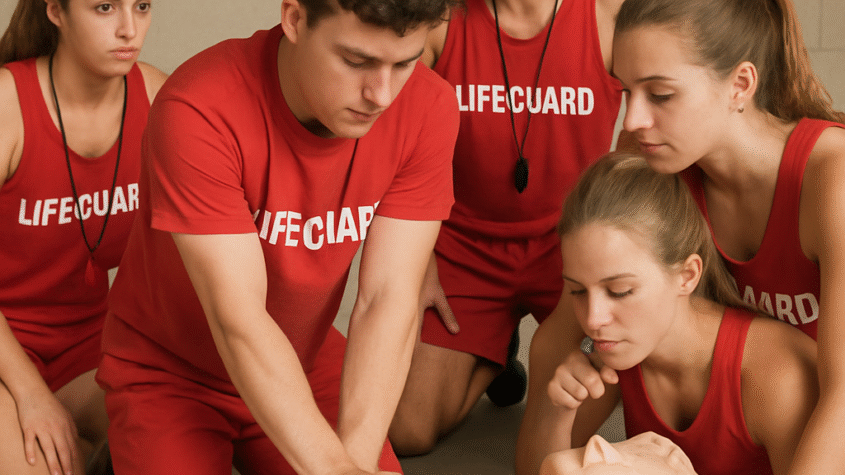
Becoming a lifeguard is a rewarding and vital role. It requires dedication and specific skills. Lifeguard certification is the first step in this journey.
This certification ensures you are prepared for emergencies. It covers water safety, rescue techniques, and emergency response.
Many organizations offer lifeguard certification programs. These programs include CPR and first aid training. They are essential for anyone seeking lifeguard jobs.
The process involves both classroom learning and practical training. You will gain confidence and skills to handle real-life situations.
Whether you aim to work at a pool, beach, or water park, lifeguard certification opens doors. It is a commitment to safety and community service.
Summary
Lifeguard certification validates your ability to ensure water safety through training in rescue techniques, CPR, first aid, and emergency response. Candidates must meet age and swimming prerequisites, select an accredited program (e.g., American Lifeguard Association, Red Cross or YMCA), and pass both written and practical exams to earn a credential typically valid for two years. Recertification, regular drills, and staying updated on protocols maintain readiness. Certification opens diverse job opportunities across pools, beaches, and water parks while building leadership, communication, and professionalism.
What Is Lifeguard Certification and Why Is It Important?
Lifeguard certification is a credential that confirms you have the necessary skills to ensure water safety. It prepares you for various emergencies that may occur in aquatic environments.
The certification covers three primary areas. First, effective rescue techniques that are critical for saving lives. Second, the basic medical skills required, such as CPR and first aid. Lastly, the ability to assess and manage different water conditions.
This certification is crucial for several reasons:
- Confirms your proficiency in water safety and rescue.
- Enhances your ability to respond to emergencies quickly.
- Boosts your employability for lifeguard jobs.
Beyond the technical skills, lifeguard certification teaches responsibility. You learn to protect and supervise large groups in aquatic settings. Holding a certification underscores your commitment to safety and professional standards. It also gives you the confidence to act in critical situations, potentially saving lives.
Prerequisites for Lifeguard Certification
Before enrolling in a lifeguard certification program, you must meet specific prerequisites. These requirements ensure you’re prepared for the challenges of lifeguard training.
Firstly, many programs require candidates to be at least 15 years old. This age requirement ensures a certain level of maturity and responsibility. It’s also common for candidates to pass a preliminary swimming test.
Strong swimming skills are essential. You’ll need to demonstrate proficiency in different strokes and the ability to cover certain distances.
Other prerequisites usually include:
- Proficient swimming abilities.
- Ability to tread water for a specific duration.
- Completion of a swim test.
Meeting these requirements ensures that participants are equipped for the physical rigor of lifeguard training. Completing these prerequisites is a vital step in embarking on your lifeguard certification journey. Preparing well for this stage sets a solid foundation for mastering further lifeguard skills and techniques.
Choosing the Right Lifeguard Certification Program
Selecting the right lifeguard certification program is crucial for your success. Various organizations offer these programs, each with unique benefits. Two widely recognized providers are the American Red Cross and the YMCA.
When choosing a program, consider factors such as location, schedule, and costs. Some programs offer flexible classes that fit different timetables. It’s also wise to look into the credentials of the instructors.
Here’s a brief checklist to guide your selection:
- Accreditation of the program.
- Instructor experience and qualification.
- Course schedule and location.
- Cost and potential financial aid options.
Research each option thoroughly to find the best fit for your needs. The right program provides a solid foundation for your lifeguard career, ensuring you receive quality training and instruction.
Key Components of Lifeguard Training
Lifeguard training equips you with essential skills for safeguarding lives. Courses blend classroom learning with practical exercises, ensuring well-rounded proficiency.
The training includes comprehensive instruction on water safety. Participants learn to recognize and prevent potential hazards. Rescue techniques are a significant focus, including using buoys and backboards.
Understanding weather and water conditions is vital for proactive safety management. CPR and first aid are key components, emphasizing emergency response and care. These skills are critical for addressing immediate threats to life.
A fundamental aspect is scenario-based training, simulating real-life emergencies. This hands-on approach fosters confidence and quick decision-making. Teamwork and communication are also emphasized, crucial for effective rescues.
Here’s a quick rundown of what to expect:
- Water safety and hazard recognition
- Rescue techniques and equipment usage
- CPR and first aid training
- Scenario-based emergency simulations
- Teamwork and communication skills
by Umberto Bello (https://unsplash.com/@umbertobello)
Training instills a professional demeanor and the ability to remain calm under pressure. Successfully completing these components is essential for achieving lifeguard certification.
CPR and First Aid Certification: Essential Skills for Lifeguards
CPR and first aid are crucial for any lifeguard. These skills allow you to respond swiftly in emergencies. Lifeguard training programs include these certifications.
Learning CPR involves understanding chest compressions and rescue breathing. These techniques keep blood and oxygen flowing during cardiac arrest. Proper execution can make all the difference.
First aid training covers a wide array of situations. You’ll learn to treat cuts, sprains, and potential spinal injuries. This knowledge ensures you can stabilize victims until medical help arrives.
Certification in CPR and first aid provides confidence to handle emergencies. It equips lifeguards to act promptly, maintaining safety in aquatic environments. Lifesaving skills are vital in promoting overall water safety.
Skills covered include:
- Performing CPR on adults, children, and infants
- Treating wounds and injuries
- Recognizing and responding to a stroke or heart attack
by Richard Bell (https://unsplash.com/@maplerockdesign)
These certifications add a layer of preparedness crucial for protecting lives. Achieving them marks a significant step in lifeguard training.
The Certification Process: Step-by-Step Guide
Earning your lifeguard certification involves several steps. Each phase ensures you gain necessary skills and knowledge. Understanding this process is key to your success.
First, you’ll need to enroll in a certified program. Courses are often offered by the American Red Cross and YMCA. Registration typically requires proof of age and swimming ability.
Training usually combines classroom learning with practical sessions. You’ll spend time both in pools and in lectures. This approach ensures a comprehensive understanding of lifeguarding duties.
Examinations are a crucial part of certification. You need to pass both written and practical tests. These exams assess your grasp of water safety, rescue tactics, and emergency procedures.
Finally, you’ll receive your certification upon completing all requirements. This credential is valid for two years. Remember, continuous learning and skills refreshment is vital in this field.
Key certification steps include:
- Enrolling in an accredited course
- Completing practical and theoretical training
- Passing written and practical exams
- Receiving CPR and first aid certifications
by Ahab Sun (https://unsplash.com/@panchiosd)
These steps are essential for becoming a certified lifeguard. Completing each one ensures you’re well-prepared for your lifeguard role. Start your journey with confidence and readiness.
Recertification and Maintaining Your Credentials
Lifeguard certification is valid for two years. After this period, recertification is necessary. It’s crucial to maintain current credentials for all lifeguard jobs.
Recertification courses are typically shorter than the initial training. They focus on refreshing your existing skills. This ensures you stay prepared for emergency situations.
Staying certified involves continuous practice and knowledge. Engaging in regular drills helps keep your skills sharp. It’s also important to stay informed about any updates in lifeguarding protocols.
Key steps in maintaining certification include:
- Enrolling in recertification courses
- Participating in regular drills and refreshers
- Keeping up with new safety standards
Maintaining your lifeguard certification underscores your dedication to safety and professionalism.
Lifeguard Jobs and Career Opportunities
Lifeguard jobs are diverse and plentiful. They range from local pools to exotic beaches. This wide variety offers flexibility and unique work environments.
Working as a lifeguard isn’t just about monitoring swimmers. It can lead to roles in aquatic management and emergency services. Lifeguards ensure safety and prevent accidents, which makes them invaluable.
Lifeguard certification bolsters your resume. It demonstrates responsibility and leadership skills. These attributes are appealing to future employers across various sectors.
Potential job settings include:
- Public and private swimming pools
- Beaches and resorts
- Water parks and aquatic centers
- Sports clubs and summer camps
by Nicola Louise (https://unsplash.com/@happybytes)
Many lifeguard positions offer seasonal work. This can be ideal for students seeking summer jobs. Moreover, flexible hours might suit individuals pursuing other careers or education alongside. Becoming a lifeguard can be the start of an exciting and fulfilling career path.
Tips for Success in Lifeguard Certification and Beyond
Achieving success in lifeguard certification requires dedication. Engage actively in all parts of the training. Being attentive increases your ability to learn and apply new skills.
Practice makes perfect, especially with swimming and rescue techniques. Regular practice sessions boost confidence and performance. Partner with fellow trainees to enhance learning.
Adaptability is key in this profession. Every work environment has unique challenges. Be open to feedback and willing to improve.
Here are some tips to excel:
- Maintain physical fitness.
- Hone your communication skills.
- Keep learning about water safety.
- Network with other professionals.
- Stay updated on latest safety protocols.
By following these tips, you pave your way to becoming a competent and successful lifeguard.
Frequently Asked Questions About Lifeguard Certification
Many aspiring lifeguards have common questions about the certification process. Let’s address a few of these concerns to help you understand better.
One frequently asked question is about age requirements. Most programs require participants to be at least 15 years old. Another query often revolves around the difficulty level of the swim test, which varies based on the program.
Here are some common questions:
- Is CPR certification included in lifeguard courses?
- How long does the certification last?
- What are the recertification requirements?
- Are there job placement services available?
- Can certification be transferred to different locations?
Understanding these details can alleviate uncertainties and help you make informed decisions.
Conclusion: Start Your Lifeguard Journey Today
Embarking on the path to lifeguard certification is a worthwhile pursuit. It equips you with critical skills to ensure the safety and well-being of others.
With the right training, you gain confidence and competence in rescue techniques and emergency response. This journey not only opens up fulfilling career opportunities but also instills a profound sense of responsibility.
Take the first step today. Enroll in a lifeguard certification course and begin your rewarding experience. Your commitment to safety can make a significant difference in the community.
Must Visit: Facucy
What Makes a Good IVF Clinic in Bangalore? Key Factors to Know
Choosing the right IVF clinic is one of the most important decisions for couples strugglin…

Why ABQ Realtors Are Seeing High Demand in the Metro Area
The Albuquerque metro area has experienced a noticeable surge in housing activity over the …