

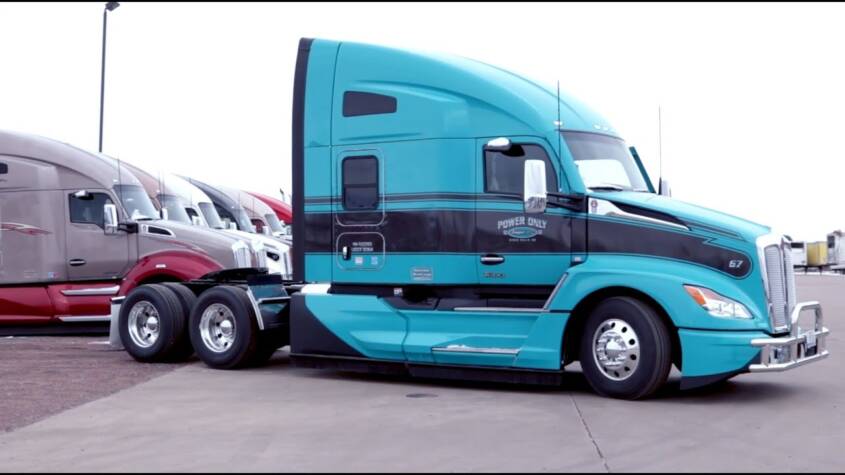
Dry van trucking is the most widely used freight method in the United States, designed to transport non-perishable, palletized goods in enclosed trailers. With consistent dry van loads, reliable dry van freight loads, and professional dry van dispatch service support, carriers and owner-operators can maintain steady income and efficient operations year-round.
Introduction
Dry van trucking is the backbone of American freight movement. From consumer goods and retail inventory to packaged food and industrial products, dry vans handle a massive share of freight moving across highways every day. Whether you are an owner-operator, a small fleet owner, or a growing carrier, understanding how dry van loads work and how a dry van dispatch service supports your business is essential for long-term success.
In this guide, we will break down dry van trucking in clear, practical terms. You will learn what dry van freight loads are, where to find consistent lanes in the USA, how dispatch services improve profitability, and why dry van trucking remains one of the most stable segments in the trucking industry.
What Is Dry Van Trucking?
Dry van trucking refers to the transportation of goods using fully enclosed trailers that protect cargo from weather, theft, and road debris. These trailers are typically 48 or 53 feet long and are sealed, making them ideal for freight that does not require temperature control.
Dry vans are commonly used across all 48 contiguous states and are especially popular in major freight corridors such as California, Texas, Illinois, Georgia, and Pennsylvania.
Common Products Moved by Dry Van Trucks
-
Retail merchandise and consumer goods
-
Packaged food and beverages
-
Electronics and household items
-
Clothing and textiles
-
Automotive parts
-
Paper products and boxed materials
Because of this versatility, dry van trucking offers year-round freight opportunities.
Understanding Dry Van Loads
Dry van loads are shipments that fit within standard trailer dimensions and weight limits, usually up to 45,000 pounds depending on freight type and axle configuration.
Why Dry Van Loads Are in High Demand
Dry van loads are abundant because most shippers prefer enclosed transportation for safety and compliance. Warehouses, distribution centers, and manufacturers rely on dry vans to move inventory efficiently.
Key benefits include:
-
High load availability nationwide
-
Flexible scheduling options
-
Easier compliance compared to specialized freight
-
Lower operating risk than refrigerated or hazmat freight
This makes dry van trucking ideal for new owner-operators and experienced carriers alike.
Dry Van Freight Loads vs Other Freight Types
When comparing dry van freight loads to other freight categories, the differences become clear.
Dry Van Freight Loads
-
Non-temperature sensitive
-
Fully enclosed trailers
-
Wide range of industries
-
Lower maintenance costs
Reefer Freight
-
Requires temperature control
-
Higher fuel and maintenance costs
-
More compliance requirements
Flatbed Freight
-
Open trailer exposure
-
Higher cargo securement risk
-
More physical labor involved
For carriers seeking consistency and predictable operations, dry van freight loads remain the preferred choice across the USA.
The Role of a Dry Van Dispatch Service
A professional dry van dispatch service acts as your back-office logistics partner. Dispatchers handle load sourcing, rate negotiation, scheduling, paperwork, and communication with brokers and shippers.
What a Dry Van Dispatch Service Typically Handles
-
Finding high-paying dry van loads
-
Negotiating strong freight rates
-
Planning efficient routes and lanes
-
Managing rate confirmations and paperwork
-
Coordinating pickup and delivery times
-
Reducing deadhead miles
For owner-operators who want to stay focused on driving, dispatch services remove daily stress and improve overall efficiency.
How Dry Van Dispatch Services Improve Profitability
Many truckers leave money on the table by accepting low rates or inefficient lanes. A skilled dry van dispatch service understands market trends, seasonal demand, and regional pricing.
Profit-Boosting Benefits
-
Access to consistent dry van freight loads
-
Better rate negotiation through market knowledge
-
Reduced downtime between loads
-
Strategic lane planning for fuel efficiency
-
Improved cash flow through organized documentation
In competitive markets like California to Texas or Midwest to Southeast lanes, experienced dispatchers can significantly increase weekly revenue.
Dry Van Trucking Market in the USA
The United States has one of the largest dry van trucking markets in the world. With major ports, rail hubs, and distribution centers, demand remains steady even during economic shifts.
Key Dry Van Freight Regions
-
West Coast ports feeding inland distribution
-
Midwest manufacturing hubs
-
Southern retail and food distribution networks
-
Northeast consumer markets
E-commerce growth and just-in-time inventory systems continue to drive demand for dry van trucking nationwide.
Long-Tail Opportunities in Dry Van Trucking
Long-tail keyword opportunities often reflect real-world carrier needs and shipper searches.
Examples include:
-
High-paying dry van loads USA
-
Dedicated dry van freight lanes
-
Regional dry van trucking services
-
Owner-operator dry van dispatch service
-
Dry van trucking company USA
Focusing on these niches allows carriers and service providers to stand out in crowded markets.
Challenges in Dry Van Trucking and How to Overcome Them
While dry van trucking is stable, it is not without challenges.
Common Issues
-
Rate fluctuations
-
Broker reliability concerns
-
Deadhead miles
-
Fuel cost volatility
Practical Solutions
-
Work with experienced dry van dispatch services
-
Focus on consistent lanes instead of spot freight only
-
Track operating costs weekly
-
Build relationships with reliable brokers and shippers
Smart planning and strong dispatch support can turn these challenges into manageable risks.
Compliance and Safety in Dry Van Operations
Operating dry vans still requires strict compliance with FMCSA regulations.
Important areas include:
-
Hours of Service adherence
-
Proper load securement
-
Weight distribution compliance
-
Regular trailer inspections
Professional dispatch services often help monitor compliance and ensure smoother audits.
Why Dry Van Trucking Is Ideal for Owner-Operators
Dry van trucking offers flexibility, scalability, and lower barriers to entry.
Key Advantages
-
Easier trailer acquisition
-
Lower insurance costs compared to specialized freight
-
Broad freight availability
-
Faster learning curve
Many successful carriers started with one dry van truck and expanded into fleets using consistent dry van loads and reliable dispatch support.
Choosing the Right Dry Van Dispatch Service
Not all dispatch services deliver the same value. A quality dry van dispatch service focuses on long-term partnerships, not short-term profits.
What to Look For
-
Transparent pricing structure
-
Strong knowledge of USA freight markets
-
Clear communication
-
Proven experience with dry van freight loads
-
Commitment to maximizing your weekly miles and rates
A good dispatcher works like a business partner, not just a load finder.
Future of Dry Van Trucking in the USA
Dry van trucking continues to evolve with technology, data-driven pricing, and digital freight platforms. However, the need for human expertise remains strong.
Dispatchers who understand lane economics, fuel trends, and seasonal shifts will always outperform automated systems alone. As supply chains grow more complex, dry van trucking will remain a cornerstone of American logistics.
Final Thoughts
Dry van trucking remains one of the most reliable and profitable freight segments in the United States. With steady dry van loads, strong dry van freight demand, and professional dry van dispatch service support, carriers can build sustainable operations in any market condition.
Whether you are just starting out or looking to optimize your existing fleet, mastering dry van trucking fundamentals gives you a competitive edge. Focus on efficiency, smart partnerships, and long-term planning, and dry van trucking can deliver consistent growth for years to come.
What Makes a Good IVF Clinic in Bangalore? Key Factors to Know
Choosing the right IVF clinic is one of the most important decisions for couples strugglin…

Why ABQ Realtors Are Seeing High Demand in the Metro Area
The Albuquerque metro area has experienced a noticeable surge in housing activity over the …