

Azoospermia is a condition in which no sperm are found in a man’s semen. It is one of the more serious causes of male infertility, but medical advances now offer new hope. With modern diagnostic tools and advanced treatments, many men with azoospermia can still become biological fathers. Understanding the latest treatment options helps couples make informed decisions.
Understanding the Type of Azoospermia
Before treatment begins, doctors first identify the type of azoospermia treatment. There are two main types: obstructive azoospermia, where sperm production is normal but blocked, and non-obstructive azoospermia, where sperm production is very low or absent.
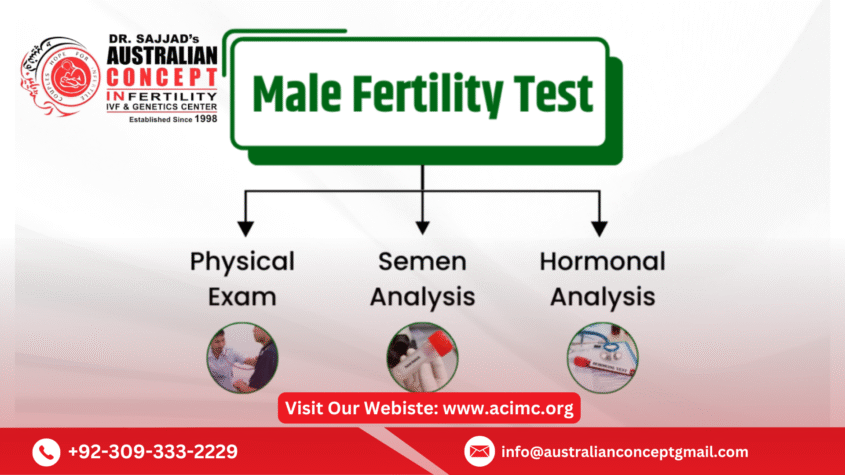
Accurate diagnosis using hormone tests, genetic testing, imaging, and sometimes testicular biopsy is essential for choosing the most effective treatment.
Hormonal Therapy for Treatable Cases
One of the latest approaches involves targeted hormonal treatment. If azoospermia is caused by hormonal imbalance, medications can stimulate the testes to produce sperm. This treatment is especially effective in men with low testosterone or pituitary gland disorders.
Hormonal therapy requires time and close monitoring, but in some cases, sperm production improves enough for natural conception or assisted reproduction.
Advanced Surgical Sperm Retrieval Techniques
Modern surgical techniques have greatly improved success rates in azoospermia treatment. Procedures such as micro-TESE (microsurgical testicular sperm extraction) allow doctors to locate tiny areas of sperm production within the testes.
Using high-powered microscopes, surgeons can retrieve viable sperm even in severe cases. This sperm can then be used for advanced fertility treatments.

Use of ICSI With Retrieved Sperm
One of the most significant advances is the combination of sperm retrieval with intracytoplasmic sperm injection (ICSI). Even a very small number of sperm can be used to fertilize eggs successfully.
This approach has made it possible for many men with azoospermia to achieve pregnancy through assisted reproductive techniques.
Genetic Testing and Personalized Treatment
Genetic testing is now a key part of azoospermia management. Identifying genetic causes helps doctors predict treatment success and avoid unnecessary procedures.
Personalized treatment plans based on genetic results, hormone levels, and testicular health improve outcomes and reduce emotional and financial stress.
Stem Cell and Regenerative Research
Research into stem cell therapy and regenerative medicine is ongoing. Scientists are exploring ways to stimulate sperm production using stem cells or gene-based treatments.
While these methods are not yet widely available for clinical use, they represent promising future options for azoospermia treatment.
Lifestyle and Supportive Therapies
Alongside medical treatment, lifestyle improvements play an important role. A healthy diet, regular exercise, stress reduction, and avoiding smoking or excessive heat exposure can support overall reproductive health.
Doctors may also recommend antioxidants and supplements as supportive therapy, depending on the individual case.
Conclusion
The latest treatments for azoospermia offer real hope for men facing infertility. With advanced diagnostic methods, improved surgical techniques, hormonal therapy, and assisted reproduction, many cases can now be treated successfully. Early evaluation by a qualified fertility specialist in Lahore and a personalized treatment plan are key to achieving the best possible outcome.
What Makes a Good IVF Clinic in Bangalore? Key Factors to Know
Choosing the right IVF clinic is one of the most important decisions for couples strugglin…

Why ABQ Realtors Are Seeing High Demand in the Metro Area
The Albuquerque metro area has experienced a noticeable surge in housing activity over the …