

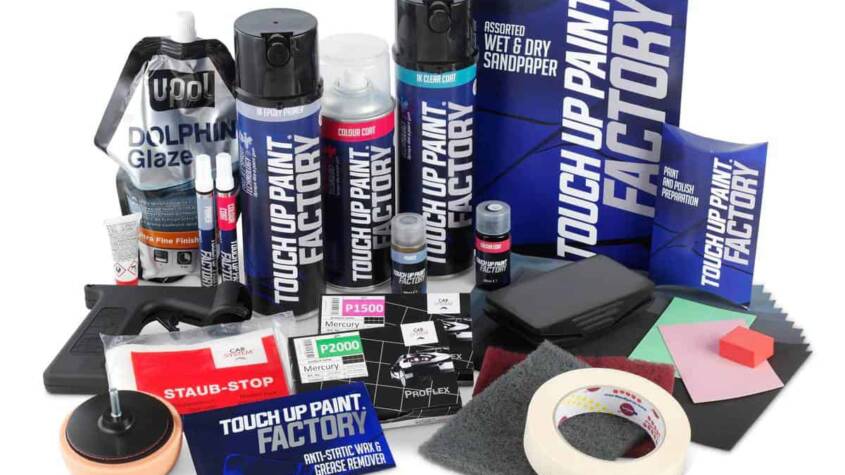
Car paint primer pens have become a popular tool for anyone who wants to maintain their car’s appearance. These pens help fix small scratches and chips quickly, protect metal from rust, and improve the final look when applying touch-up paint. If you have ever wondered about their use, benefits, or application, these frequently asked questions provide clear answers.
1. What is a car paint primer pen?
A car paint primer pen is a small applicator that contains a liquid primer. It works like a regular pen, but instead of ink, it deposits a thin layer of primer onto the car’s surface. The primer creates a base that helps touch-up paint stick better and prevents rust from forming on exposed metal. Many people keep a primer pen in their car or garage because it offers a fast and precise way to repair minor paint damage without needing professional tools.
These pens come in different tip sizes. Fine tips suit small scratches, while broader tips cover larger chips. The primer in these pens dries quickly, allowing you to paint over it in a short time. They are especially useful for busy car owners who want to handle small damages themselves.
2. Why do I need a primer pen for car touch-ups?
A primer pen plays an essential role in protecting your car’s paint. When a scratch exposes the metal underneath, moisture and air can cause rust almost immediately. Applying touch-up paint directly onto the metal often results in peeling or flaking later because the paint has no proper surface to bond to.
The primer pen forms a protective layer that helps paint stick securely. It also prevents rust from spreading under the paint. Even if the damage seems minor, skipping primer reduces the durability of the repair. People who regularly use a primer pen find that their touch-ups last longer and maintain a smoother appearance.
3. Can I use a primer pen on all car surfaces?
Primer pens from Touch Up Paint Factory work best on metal surfaces. They are designed to bond with metal and provide corrosion protection. Applying primer directly on plastic bumpers or rubber trims may not yield the best results, as the material’s surface properties can prevent the primer from adhering properly.
4. How do I apply a car paint primer pen?
Applying a primer pen is simple, but preparation makes a big difference in results. Start by cleaning the damaged area thoroughly. Remove any dirt, grease, or loose paint with a mild cleaner. This ensures the primer bonds properly with the surface.
Next, shake the pen well to mix the primer inside. Apply a thin layer to the scratch or chip, keeping the tip steady. Avoid overfilling the damaged area, as too much primer can create bumps that are visible after painting. Let the primer dry for the time recommended on the pen’s instructions—usually between 15 and 30 minutes. Once it is dry, you can apply touch-up paint or additional layers if needed.
Using light, even strokes gives the best results. A careful application prevents smudging and ensures the repaired area blends with the surrounding paint. Many car owners find that practicing on a small, hidden spot first helps them control the flow and thickness of the primer.

5. How long does it take for the primer to dry?
Primer pens are designed to dry quickly, but drying time depends on the brand and environmental conditions. Most primers dry to the touch in 15–30 minutes. However, allowing the primer to sit for at least an hour before painting improves adhesion and reduces the risk of peeling.
Temperature and humidity play a role as well. High humidity or cold weather can slow the drying process, while warm, dry conditions speed it up. Some primer pens require multiple layers for deeper scratches, and each layer needs sufficient drying time. Rushing the process may cause uneven paint coverage or bubbles in the touch-up paint.
6. Can a primer pen prevent rust?
Yes, primer pens help prevent rust. When scratches expose metal, water and oxygen reach the surface, which starts the corrosion process. Applying a primer pen seals the metal, reducing contact with moisture and slowing or stopping rust formation.
Primer pens are not a permanent solution for large rust problems, but they are effective for minor chips and scratches. Car owners often use them as the first step in touch-up repairs, followed by paint and clear coat. This combination protects the car and maintains a smooth, clean appearance. Regularly inspecting your car for small scratches and treating them with primer pens helps extend the life of your paint.
7. How many scratches can a single primer pen fix?
The number of scratches a primer pen can cover depends on the size and depth of the damage. A typical pen can handle several small scratches or chips, but larger areas require more product or multiple pens.
People often underestimate how quickly primer runs out, especially if they apply thick layers. For minor touch-ups, a single pen usually lasts for one to three jobs on small scratches. Keeping extra pens on hand ensures you can treat new damage as soon as it appears, preventing rust from forming.
8. Can I use a primer pen on deep scratches?
Primer pens work best on surface-level scratches and small chips. Deep scratches that reach bare metal may require sanding and multiple primer applications before painting. If a scratch is very deep, the pen alone may not provide enough coverage, and paint applied over it could look uneven.
In such cases, gently sanding the edges of the scratch creates a smoother surface for the primer. Applying the primer in thin layers ensures that it fills the scratch without creating ridges. Once the primer dries, touch-up paint can blend the area with the rest of the car. For severe damage, consulting a professional may yield the best long-term results.
9. Is it necessary to sand before using a primer pen?
Sanding is optional for very small chips or scratches, but it improves results for rough or uneven damage. Lightly sanding removes jagged edges and creates a smoother surface for the primer to bond to. Skipping this step may result in the primer sitting unevenly, making the paint appear lumpy after drying.
Use fine-grit sandpaper and apply gentle pressure. After sanding, clean the area to remove dust before applying the primer. Many car owners who sand before priming notice that their touch-up paint adheres better and the finished repair looks more professional. Even a quick, light sanding can make a noticeable difference in the final appearance.
10. How should I store a car paint primer pen?
Proper storage extends the life of a primer pen. Keep it tightly capped and store it in a cool, dry place. Avoid leaving it in direct sunlight or inside a hot car, as heat can dry out the primer inside the pen.
Shake the pen before each use to ensure the primer remains well-mixed. If a pen dries out, it usually cannot be revived, so proper storage is essential. Many car owners keep a spare pen in their garage or tool kit for emergencies, ensuring they can handle scratches as soon as they happen.
Tips for Best Results
- Always clean the damaged area before applying primer.
- Apply thin layers to avoid lumps or bumps.
- Allow the primer to dry fully before painting.
- Keep primer pens away from heat and sunlight.
- Inspect the repaired area after painting and add more primer if needed.
Using these tips, a car paint primer pen can significantly improve the longevity of touch-up paint and maintain the vehicle’s overall appearance. Small scratches often get ignored, but treating them quickly prevents more expensive repairs later.
Final Thoughts
Car paint primer pens provide a convenient, cost-effective way to repair minor scratches and chips. They protect metal from rust, help paint adhere better, and keep your car looking well-maintained. By following proper application steps and storing the pen correctly, you can handle most small paint damages on your own.
Even if you rarely touch up your car, having a primer pen on hand ensures you are ready for sudden scratches from parking lots, debris, or other minor incidents. Regular maintenance with these pens keeps your car’s paint looking fresh and protects it from corrosion over time.


What Makes a Good IVF Clinic in Bangalore? Key Factors to Know
Choosing the right IVF clinic is one of the most important decisions for couples strugglin…

Why ABQ Realtors Are Seeing High Demand in the Metro Area
The Albuquerque metro area has experienced a noticeable surge in housing activity over the …